


Making the Right Choice: Shopify or Shopify Plus?
Choosing the right Shopify plan is crucial for your business's success. This article clarifies the key differences between Shopify and Shopify Plus, including Shopify Basic, Shopify (the main plan), Shopify Advanced, Shopify Starter, and the discontinued Shopify Lite, to help you choose the best fit for 2025. Whether you’re a small startup or an enterprise-level brand, this comparison of Shopify vs Shopify Plus will empower you to scale your ecommerce operations effectively. We'll equip you to make the best decision for your budget and growth trajectory.
1. Shopify Basic
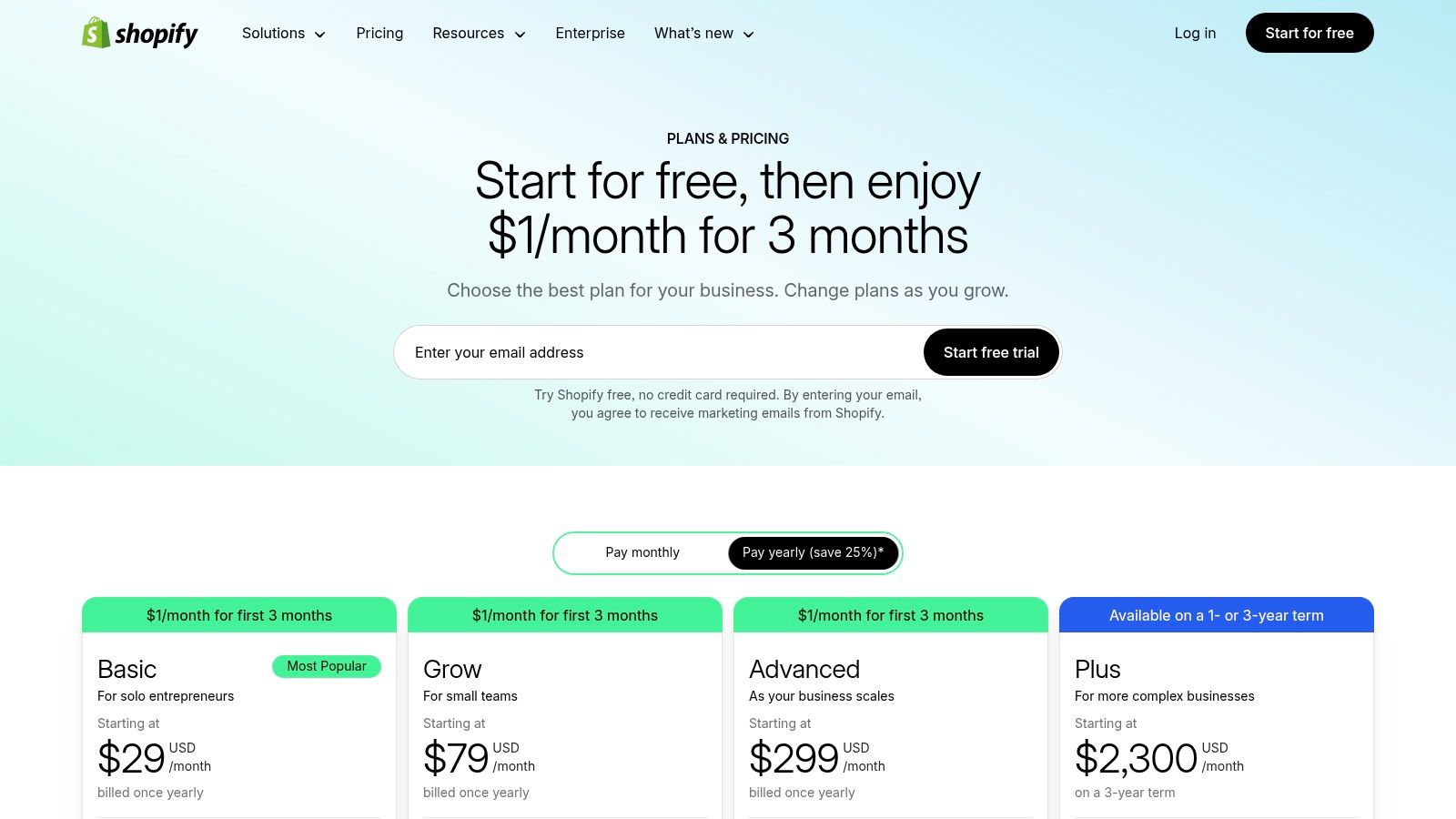
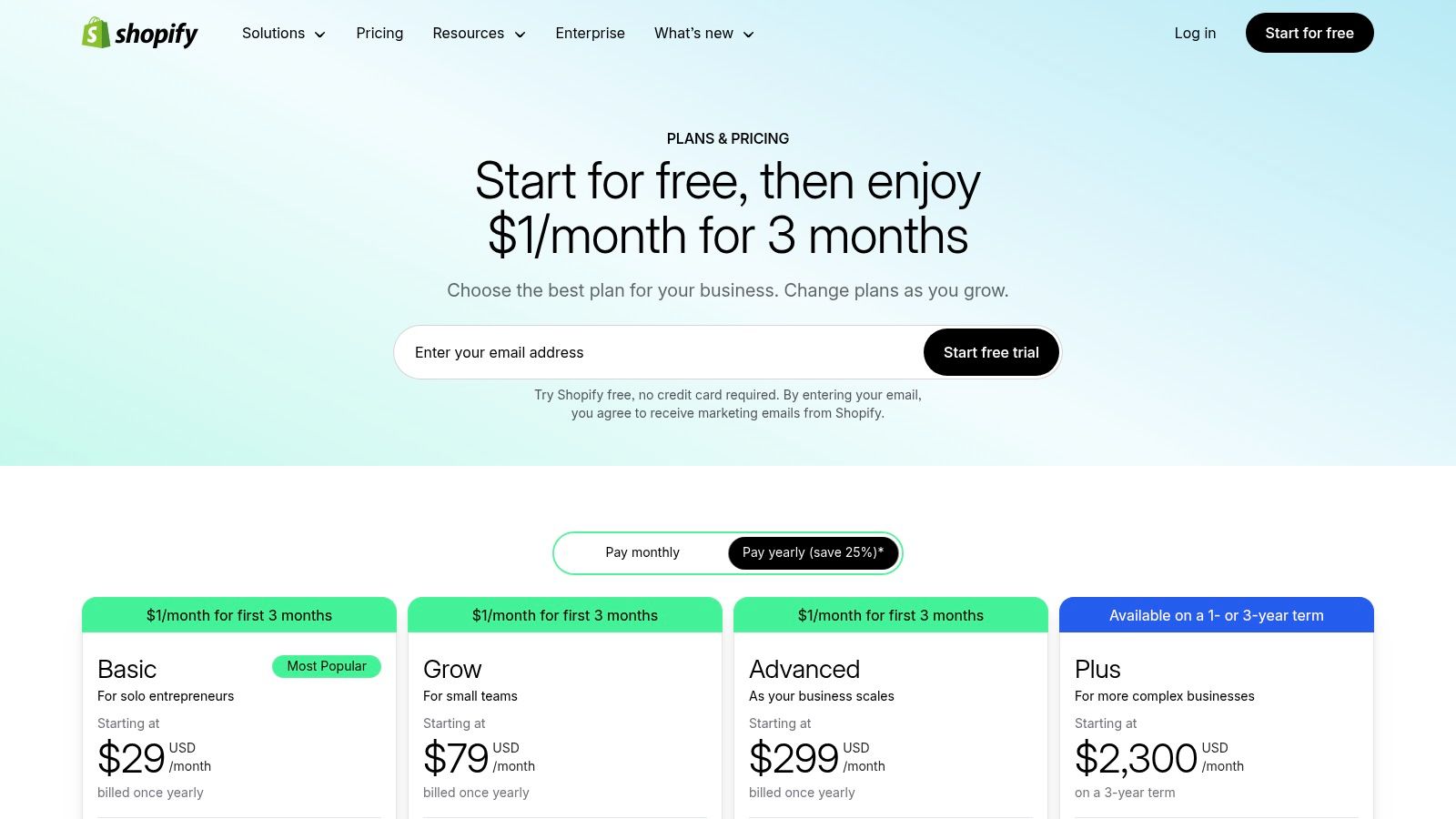
Shopify Basic is the entry-level plan in Shopify's lineup, designed specifically for small businesses and entrepreneurs just beginning their ecommerce journey. When comparing Shopify vs Shopify Plus, it's important to understand the foundation upon which the entire platform is built, and that's where Shopify Basic comes in. It provides the essential tools required to build and manage an online store, offering core functionalities like product catalog management, secure payment processing, and basic performance analytics. This plan is ideally suited for businesses anticipating lower order volumes and requiring only fundamental customization options. If you're a small business owner looking to establish an online presence without the complexity of advanced features, then Shopify Basic might be the perfect starting point.
For entrepreneurs launching a new product or established businesses dipping their toes into online sales, Shopify Basic presents a compelling proposition. Imagine a handcrafted jewelry maker wanting to expand beyond local craft fairs, or a small bakery looking to offer online ordering for local pickup. Shopify Basic allows these businesses to create a professional online storefront without needing extensive technical expertise. With unlimited product listings and file storage, businesses can showcase their entire inventory and brand assets, from high-resolution product images to engaging videos. The platform handles the technical complexities, enabling business owners to focus on what they do best – creating and selling their products.
This plan includes 24/7 customer support via chat and email, providing crucial assistance for newcomers navigating the world of ecommerce. Having access to readily available support can be invaluable during setup and in addressing any technical issues that may arise. The inclusion of basic reporting and analytics provides insights into key metrics like website traffic and sales, allowing businesses to track performance and identify areas for improvement. Features like discount codes and gift cards provide the tools to run promotions and build customer loyalty. Finally, the mobile-responsive themes ensure a seamless shopping experience for customers across all devices, from desktops to smartphones.
Shopify Basic deserves its place in this "Shopify vs Shopify Plus" list because it acts as the entry point into the Shopify ecosystem. It allows users to experience the platform’s user-friendly interface and core functionalities before committing to a more advanced plan. Understanding the capabilities and limitations of Shopify Basic provides a solid foundation for evaluating whether the added features of Shopify Plus are necessary down the line. For businesses anticipating significant growth, understanding the limitations of Basic can help in future planning and prevent being caught off guard by limitations in staff accounts or analytics.
Pricing and Technical Requirements:
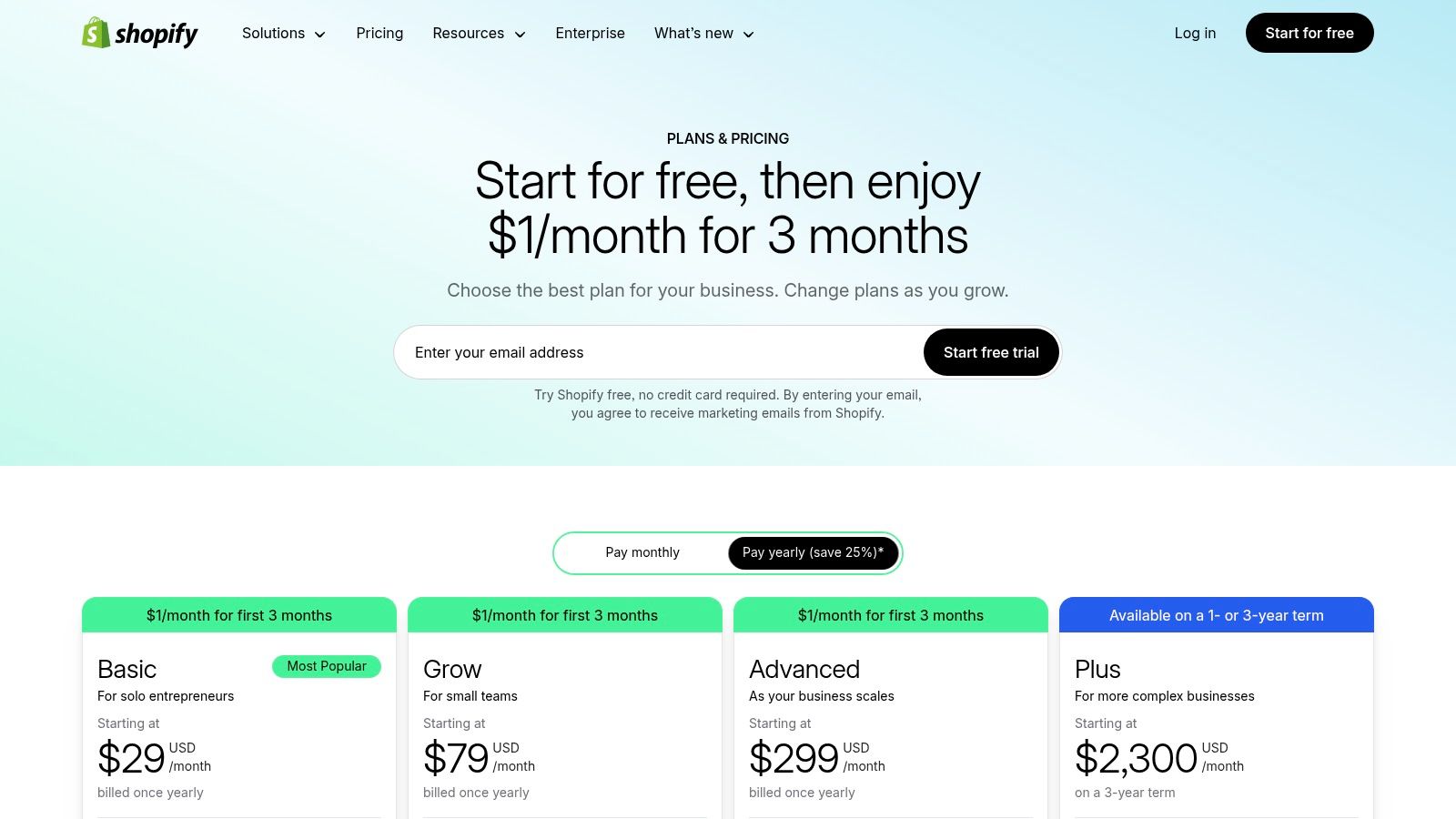
Shopify Basic is priced at $29/month. The technical requirements are minimal, as Shopify hosts the platform. All that's required is an internet connection and a web browser to access and manage the online store.
Pros:
- Affordable monthly pricing: At $29/month, it represents a low-cost entry point for businesses with limited budgets.
- User-friendly interface: Designed for beginners, the intuitive interface requires no coding knowledge to set up and manage an online store.
- Essential ecommerce features: Provides all the core functionalities needed to run an online store, from product management to payment processing.
- Access to Shopify App Store: Extends functionality through a vast library of apps, from marketing automation to advanced analytics.
Cons:
- Higher transaction fees: Compared to higher-tier plans, Shopify Basic has higher transaction fees (2.9% + 30¢ online), impacting profitability on larger sales volumes.
- Limited staff accounts: With only two staff accounts, it may restrict access and collaboration for growing teams.
- Basic reporting capabilities: Provides only basic insights into store performance, which may not be sufficient for businesses needing in-depth data analysis.
- No advanced features like automation: Lacks advanced features like workflow automation and custom checkout, which are essential for scaling operations and enhancing customer experience.
Implementation Tip:
Start with a free Shopify trial to explore the platform and determine if it meets your business needs before committing to a paid plan. This allows you to familiarize yourself with the interface, experiment with different themes, and even add some test products.
Website: https://www.shopify.com/pricing
Shopify Basic serves as the crucial starting point in the Shopify hierarchy. By understanding its capabilities and limitations, businesses can make informed decisions about which Shopify plan aligns best with their current needs and future growth projections. This understanding is crucial when comparing Shopify vs Shopify Plus, as it allows businesses to appreciate the value proposition of each tier.
2. Shopify (Main Plan)
The Shopify (Main Plan), often referred to as just "Shopify," sits comfortably between the Basic Shopify and Advanced Shopify plans. It’s the Goldilocks option for many growing businesses—not too basic, not too advanced, but just right. It's designed for businesses that have outgrown the entry-level features of the Basic plan and need more robust functionalities to manage increasing sales and operational complexities. When considering Shopify vs Shopify Plus, the standard Shopify plan provides a strong foundation for scaling businesses while remaining cost-effective. It offers a well-rounded set of features that cater to businesses experiencing consistent growth and needing more control over their online store. This makes it a compelling option for established small to medium-sized businesses looking for the sweet spot in the Shopify ecosystem.
One of the primary reasons the Shopify plan deserves its spot in the Shopify vs Shopify Plus discussion is its focus on providing essential tools for growth without the premium price tag of Shopify Plus. For example, abandoned cart recovery is a key feature included in this plan. This functionality automatically sends emails to customers who add items to their cart but leave without completing the purchase. These automated reminders can significantly boost sales by re-engaging potential customers and reminding them of their intended purchases. This alone can justify the increased cost compared to the Basic Shopify plan, making it a valuable investment for businesses serious about maximizing their revenue.
The Shopify plan also offers professional reporting features that provide deeper insights into sales trends, customer behavior, and inventory levels. These reports empower businesses to make data-driven decisions about marketing strategies, product development, and overall business operations. Access to detailed analytics allows for better understanding of customer demographics, popular products, and sales patterns, facilitating targeted marketing campaigns and inventory optimization. Compared to the basic reports offered in the Basic Shopify plan, the Shopify plan’s reports give a much clearer picture of business performance, crucial for scaling effectively.
Another advantage is the inclusion of gift cards and discount codes. These features provide flexible options for promoting sales, rewarding customer loyalty, and driving repeat business. They are essential marketing tools for any growing online store and provide a significant advantage over the Basic Shopify plan. For example, businesses can use discount codes for seasonal promotions or offer gift cards as part of a loyalty program, incentivizing purchases and strengthening customer relationships.
The Shopify plan allows for up to five staff accounts. This facilitates team collaboration and allows for efficient task delegation, particularly beneficial for businesses with multiple employees managing different aspects of the online store. From managing inventory and fulfilling orders to handling customer service inquiries and marketing campaigns, multiple staff accounts streamline workflows and ensure smooth operations.
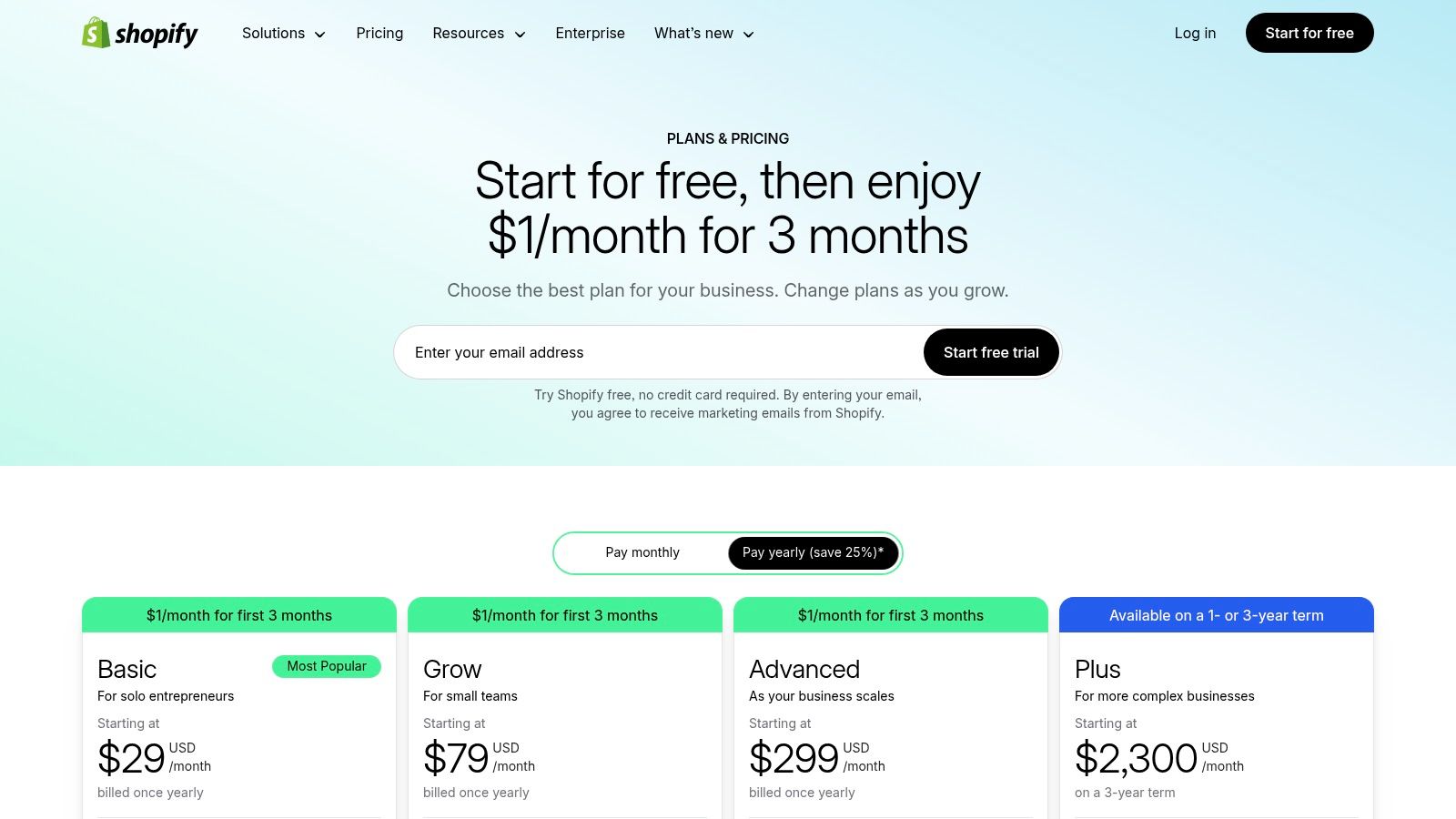
While the Shopify plan offers a robust set of features, it's essential also to consider its limitations, especially when comparing Shopify vs Shopify Plus. One drawback is the higher monthly cost of $79 compared to the Basic plan. While it offers significantly more functionality, businesses need to evaluate if the added features justify the increased expense based on their current needs and projected growth. Another limitation is the restricted customization options compared to Shopify Plus. While the Shopify plan offers a reasonable degree of customization through themes and apps, it doesn’t offer the same level of flexibility and control over the storefront design and backend functionalities that Shopify Plus provides. Businesses requiring extensive customizations may find the standard Shopify plan somewhat limiting.
Finally, while the Shopify plan does offer basic international selling capabilities, it lacks the advanced features of Shopify Plus for managing multiple international storefronts and currencies. Businesses with a strong international presence might require the more comprehensive international selling tools available in Shopify Plus.
Despite these limitations, the Shopify plan offers a powerful suite of tools to help growing businesses thrive in the competitive e-commerce landscape. It provides a significant upgrade from the Basic plan and offers a compelling alternative to the higher-priced Shopify Plus for businesses that haven't reached the enterprise level. For businesses evaluating Shopify vs Shopify Plus, the standard Shopify plan offers a balanced solution for growth and functionality. https://www.shopify.com/pricing
3. Shopify Advanced
Shopify Advanced sits in a unique position within the Shopify ecosystem. While it's the highest tier of the standard Shopify plans, it often gets overshadowed by the allure of Shopify Plus. When considering Shopify vs Shopify Plus, Advanced serves as a critical stepping stone, bridging the gap between standard e-commerce needs and the fully customizable enterprise solutions offered by Plus. This plan is geared towards rapidly growing businesses that are pushing the boundaries of the standard Shopify offerings and require more sophisticated tools to manage their increasing complexity without necessarily needing the fully bespoke experience of Plus.
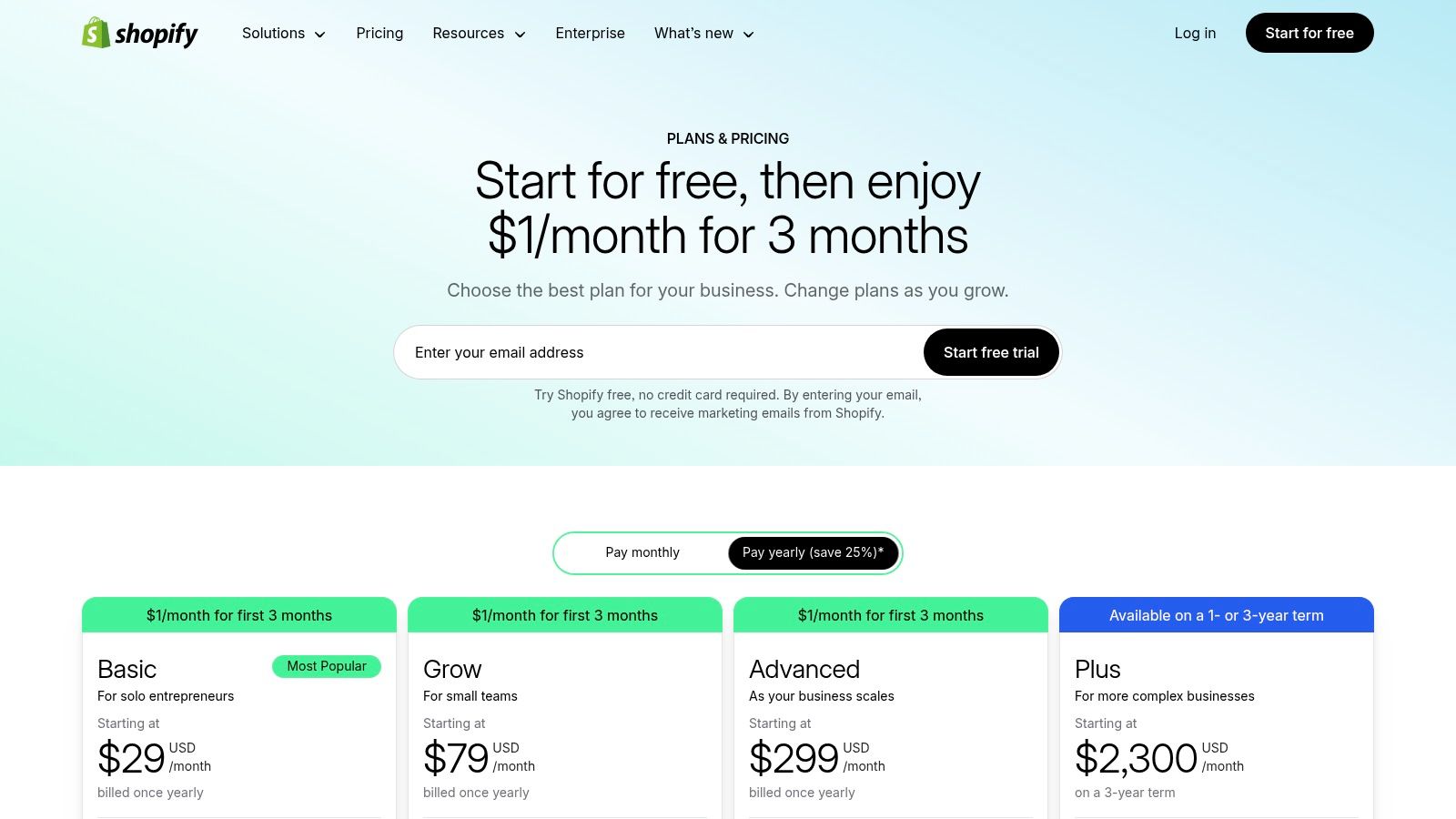
At $299/month, Shopify Advanced represents a significant investment compared to the lower-tier plans. However, for businesses processing a high volume of transactions, the reduced transaction fees alone can make it financially worthwhile. Let's explore why Advanced deserves its place in the Shopify vs Shopify Plus discussion.
One of the key differentiators of Shopify Advanced is its robust reporting capabilities. The advanced report builder allows businesses to create custom reports, going beyond the standard pre-built options. This is crucial for data-driven decision-making, providing deep insights into sales trends, customer behavior, and product performance. For example, you can create reports that track specific marketing campaigns, analyze customer lifetime value based on acquisition source, or identify top-performing product categories. This level of granular data analysis is essential for optimizing marketing spend, inventory management, and overall business strategy.
Another significant advantage of Advanced is the access to third-party calculated shipping rates. As your business scales, accurate shipping calculations become paramount. This feature allows you to integrate with carriers directly or use third-party apps to offer real-time shipping rates at checkout, minimizing cart abandonment due to unexpected shipping costs. This is especially important for businesses shipping internationally or offering a wide variety of shipping options.
Shopify Advanced also provides up to 15 staff accounts. As your team grows, managing access and permissions becomes crucial. With more staff accounts, you can delegate tasks efficiently and ensure everyone has the appropriate access levels to the platform. This improved workflow streamlines operations and facilitates better collaboration within your team.
While Shopify Advanced provides significant advantages over the lower-tier plans, it’s important to acknowledge its limitations when comparing Shopify vs Shopify Plus. It still lacks the fully customizable features of Shopify Plus, such as dedicated support, a launch engineer, and access to exclusive apps and integrations like Shopify Flow. For businesses requiring highly tailored solutions or experiencing explosive growth, Shopify Plus remains the ultimate choice. Advanced also has limited customization options compared to Plus, restricting the extent to which you can tailor the look and feel of your online store. While you can customize themes and use apps, you won't have the same level of flexibility as Plus merchants.
For businesses considering the leap to Shopify Plus, Shopify Advanced can serve as an excellent testing ground. It allows you to experience some of the more sophisticated features without the significant investment required for Plus. By implementing Advanced, you can assess your needs and determine if the benefits of Plus justify the cost. This strategic approach can save you money and ensure you choose the right plan for your specific requirements.
In conclusion, Shopify Advanced holds a valuable position within the Shopify ecosystem. It provides a pathway for growing businesses to access powerful features like advanced reporting, third-party calculated shipping rates, and lower transaction fees. However, when evaluating Shopify vs Shopify Plus, it’s essential to weigh the benefits of Advanced against its limitations. While it’s a significant upgrade from the lower-tier plans, it still falls short of the fully customizable enterprise-level features offered by Plus. By carefully considering your business needs and growth trajectory, you can make an informed decision about which Shopify plan is the right fit. You can explore the Shopify Advanced plan further on their pricing page.
4. Shopify Plus
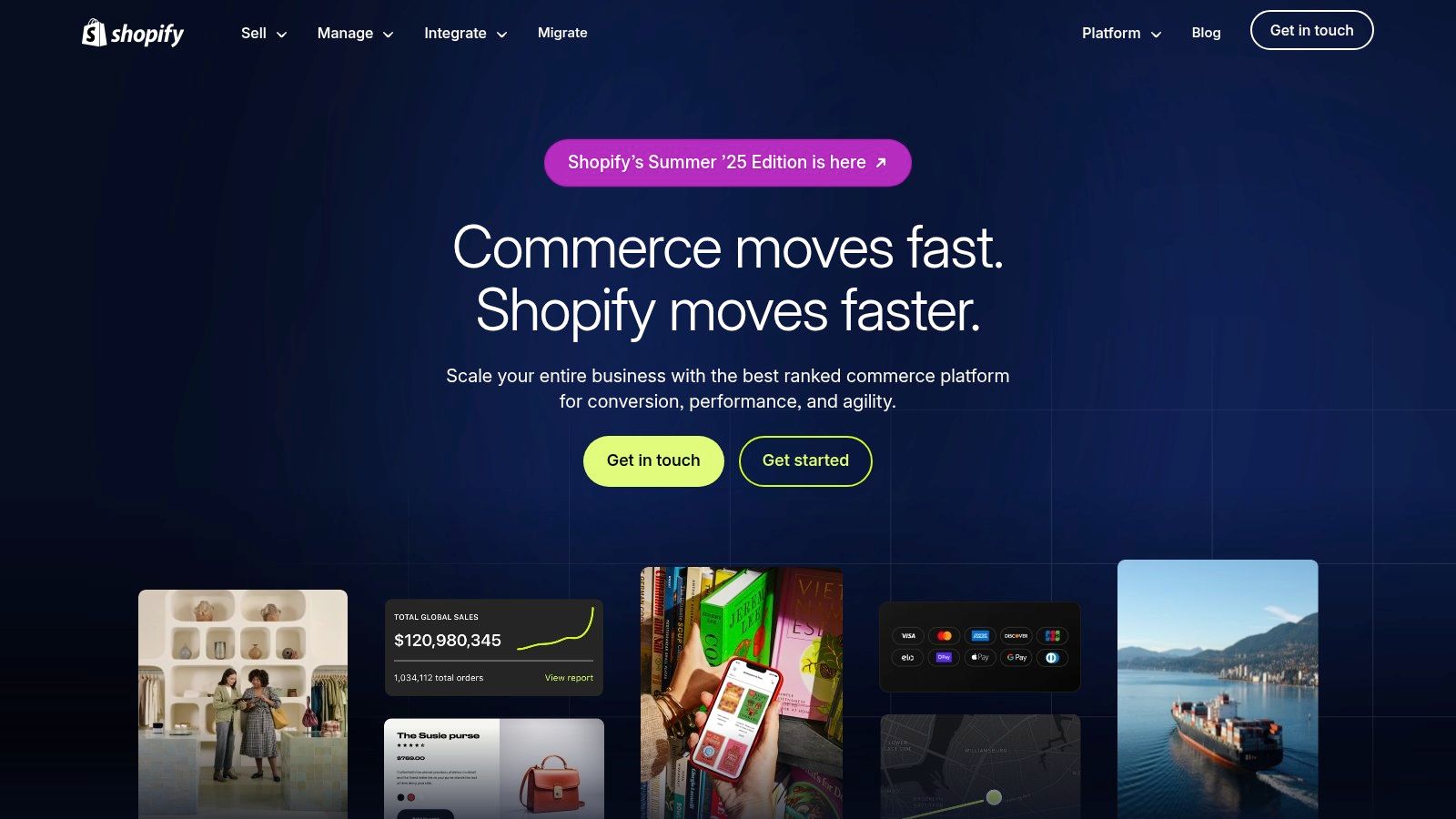
Shopify Plus is the powerhouse solution within the Shopify ecosystem, specifically designed for high-volume merchants and enterprise-level businesses. While Shopify and its various tiered plans cater to a broad spectrum of businesses, Shopify Plus steps in when standard solutions no longer suffice. It's built for businesses that require enhanced customization, robust automation, dedicated support, and the infrastructure to handle significant traffic and order volumes without a hiccup. This makes it a critical consideration in the Shopify vs Shopify Plus debate for rapidly scaling businesses.
Think of Shopify Plus as the VIP section of the Shopify world. It offers exclusive features like Shopify Scripts, which allows for customized checkout and cart experiences, and Shopify Flow, a powerful automation tool for streamlining complex business processes. This level of control and flexibility is often the deciding factor when businesses compare Shopify vs Shopify Plus.
One of the major advantages of Shopify Plus is its ability to handle massive traffic surges and high order volumes, crucial for businesses experiencing rapid growth or seasonal peaks. This scalability ensures your online store remains stable and performs optimally, even during the busiest periods. For example, a flash sale or a viral marketing campaign can bring a sudden influx of customers. Shopify Plus is designed to handle these scenarios without slowing down or crashing.
Beyond scalability, Shopify Plus provides advanced customization options, empowering you to tailor your store to your precise needs. This level of granular control goes beyond the theme editor and allows developers to deeply integrate with the platform, creating unique and engaging shopping experiences. Need a highly specialized checkout process? Shopify Plus makes it possible.
Furthermore, Shopify Plus offers dedicated support and a dedicated success manager. This white-glove service provides personalized guidance and assistance, ensuring you get the most out of the platform. This level of support is invaluable for navigating the complexities of enterprise-level e-commerce and is a key differentiator in the Shopify vs Shopify Plus comparison. Learn more about Shopify Plus and how its support structure differs from standard Shopify plans.
Pricing for Shopify Plus starts at $2,000/month, which reflects its enterprise-grade features and capabilities. This pricing model is based on usage and negotiated with Shopify directly, meaning costs can increase as your business grows and utilizes more resources. While the price point might seem steep compared to standard Shopify plans, the cost savings on transaction fees (starting at 0.15%) and the increased conversion rates from enhanced customization and performance often justify the investment for high-volume businesses.
While Shopify Plus offers significant advantages, it also has a few drawbacks to consider. The platform's complexity demands a steeper learning curve and potentially requires technical expertise for full utilization. The setup process can also be more involved than with standard Shopify plans. For small to medium-sized businesses, Shopify Plus is often overkill, both in terms of features and cost. Therefore, a thorough evaluation of your current needs and future projections is crucial before making the leap.
In the Shopify vs Shopify Plus decision, consider the following implementation tips:
- Assess your current and projected needs: Is your business truly at the enterprise level, requiring the advanced features and scalability of Shopify Plus?
- Factor in the total cost of ownership: Consider not just the monthly fee, but also the potential costs of development and ongoing maintenance.
- Evaluate your internal resources: Do you have the in-house technical expertise to fully leverage the platform's capabilities, or will you need to outsource development work?
Ultimately, Shopify Plus earns its spot on this list because it offers a robust and scalable solution for high-growth businesses looking to take their e-commerce operations to the next level. It's a powerful tool that can significantly impact your bottom line, but it's essential to carefully weigh its pros and cons against your specific business requirements before making a decision.
5. Shopify Starter
When comparing Shopify vs Shopify Plus, it’s easy to get caught up in the robust features of the higher tiers. However, a crucial part of the Shopify ecosystem deserves attention, especially for entrepreneurs testing the waters or established businesses looking for supplementary sales channels: Shopify Starter. This plan provides a streamlined, affordable entry point into e-commerce, focusing on social selling and website integration without the overhead of a full online store. It’s a powerful tool for specific use cases, and understanding its capabilities can be a game-changer in your Shopify vs Shopify Plus deliberation.
Shopify Starter, at just $5/month, offers a compelling proposition for businesses primarily operating on social media platforms or leveraging an existing web presence. Imagine you're a content creator with a loyal following on Instagram. Instead of directing your audience to external links, Shopify Starter lets you integrate "Buy Buttons" directly into your posts, streamlining the purchase process and reducing friction. This seamless integration is a significant advantage for influencers looking to monetize their content without the commitment (and cost) of a full-fledged online store.
Similarly, businesses with established websites, perhaps using platforms like WordPress or Squarespace, can utilize Shopify Starter to add e-commerce functionality without migrating their entire site. Embedding Buy Buttons and product links directly onto existing pages allows for a quick and easy expansion into online sales. This is particularly beneficial for businesses testing new product lines or exploring e-commerce as an additional revenue stream. Think of a restaurant with a website primarily for reservations and menus. With Shopify Starter, they could quickly add the ability to sell branded merchandise or gift cards directly on their site without overhauling their existing platform.
The technical requirements for Shopify Starter are minimal. You don’t need coding skills or web development expertise. The platform provides a user-friendly interface for managing inventory, processing orders, and tracking sales. This ease of use is a key differentiator, especially when compared to setting up and managing a full Shopify or Shopify Plus store. While Starter lacks the advanced customization options of the larger plans, it offers a streamlined experience perfect for beginners or businesses focusing on simplicity.
Comparing Shopify Starter to other similar tools highlights its unique position. While platforms like Linktree offer ways to link multiple products from various platforms, they often lack the integrated checkout and inventory management that Shopify provides. Similarly, while some social media platforms offer built-in shopping features, they can be limiting in terms of branding and control. Shopify Starter provides a balance between simplicity and functionality, offering a dedicated platform for selling without the complexities of a full e-commerce store.
Implementation tips for Shopify Starter are straightforward. Start by identifying your primary sales channels. Will you be focusing on Instagram, Facebook, or direct messaging apps like WhatsApp? Once you’ve identified your target platforms, connect them to your Shopify Starter account. Then, create product listings with compelling descriptions and high-quality images. Finally, integrate the Buy Buttons or product links into your chosen channels. Regularly monitoring your sales and customer interactions is crucial for optimizing your strategy and maximizing your return on investment.
In the Shopify vs Shopify Plus debate, Shopify Starter often gets overlooked. However, its affordability, ease of use, and focus on social selling make it a valuable tool for specific businesses. It provides a low-risk entry point into e-commerce, allowing businesses to test the market and validate their products before scaling up to a full online store. If your strategy centers around social commerce or you're looking for a simple way to add e-commerce functionality to an existing website, then Shopify Starter deserves serious consideration in your Shopify vs Shopify Plus evaluation. It provides a unique pathway to online selling, bridging the gap between basic social selling and a full-fledged e-commerce operation. You can find more information and get started at https://www.shopify.com/pricing.
6. Shopify Lite (Discontinued)
While comparing Shopify vs Shopify Plus, it's important to understand the spectrum of Shopify offerings, even those no longer available to new merchants. Shopify Lite, though discontinued for new sign-ups, offers a glimpse into Shopify's entry-level approach and holds relevance for existing Lite users and those evaluating the historical context of Shopify's plan structure. It served as a budget-friendly stepping stone for businesses wanting to dip their toes into e-commerce without committing to a full online store. Understanding its features and limitations provides valuable context when considering the broader Shopify ecosystem and how it caters to diverse business needs, ultimately informing the Shopify vs Shopify Plus decision for larger businesses.
Shopify Lite distinguished itself by enabling businesses to sell online without hosting a dedicated online store on the Shopify platform. This was achieved through “Buy Buttons,” embeddable snippets of code that could be integrated into existing websites, blogs, or social media platforms. This functionality allowed businesses to transform any webpage into a point of sale, offering a seamless checkout experience directly within their existing online presence. Imagine a food blogger wanting to sell their cookbook directly from their recipe page, or a musician selling merchandise directly from their band's website. Shopify Lite provided the tools to facilitate these transactions without the overhead of managing a full-fledged online store.
For businesses operating primarily offline, Shopify Lite also included access to Shopify POS (Point of Sale), enabling in-person sales using hardware like card readers and receipt printers. This made it a viable option for brick-and-mortar stores, market stall vendors, or pop-up shops looking to unify their online and offline sales channels. This integration of POS functionality within the entry-level plan showcased Shopify’s commitment to providing a holistic commerce solution, even at a lower price point.
The price point was a key factor in Shopify Lite’s appeal. At $9/month, it offered a significantly more affordable entry into the Shopify ecosystem compared to the basic Shopify plan. This lower cost made it attractive for businesses testing the waters of e-commerce, hobbyists selling handmade goods, or anyone with limited sales volume. This affordability, coupled with the ease of integration with existing websites, meant minimal upfront investment and a lower barrier to entry for aspiring online entrepreneurs.
However, the discontinuation of Shopify Lite for new users highlights its limitations within the broader Shopify landscape. The absence of a dedicated online store restricted its functionality compared to the standard Shopify plans. Businesses relying solely on Shopify Lite could not leverage the robust features offered by a dedicated storefront, such as customizable themes, advanced SEO capabilities, and extensive app integrations. While sufficient for basic selling, businesses experiencing growth would quickly outgrow its limited feature set. The basic reporting and customization options also presented a challenge for businesses needing in-depth data analysis to optimize their sales strategies.
The Shopify Starter plan, which replaced Shopify Lite, aims to address some of these limitations while maintaining affordability. Starter focuses on social selling and link-in-bio commerce, reflecting the evolving landscape of online sales. While it doesn’t offer a fully customizable website like the basic Shopify plan, it provides a more streamlined approach for reaching customers on social media platforms.
When comparing Shopify vs Shopify Plus, considering the historical context of Shopify Lite reinforces the importance of scalability. While Lite served a niche market, its limitations underscore the need for a robust platform for businesses anticipating significant growth. Shopify Plus, on the other hand, is designed to handle high-volume sales and complex business requirements, making it a more suitable solution for established enterprises. Ultimately, understanding the limitations of entry-level solutions like Shopify Lite helps frame the value proposition of Shopify Plus for larger merchants seeking a comprehensive and scalable platform. You can find the current pricing and plan details on the Shopify pricing page.
Shopify Plans Feature Comparison
| Plan | Core Features & Capabilities | User Experience & Quality ★★★★☆ | Value & Pricing 💰 | Target Audience 👥 | Unique Selling Points ✨ |
|---|---|---|---|---|---|
| Shopify Starter | Social & messaging sales, buy buttons, basic inventory | Easy setup, mobile-friendly, basic reporting | Very affordable $5/month 💰 | Content creators, influencers | Simplified social selling, minimal setup ✨ |
| Shopify Lite (Discontinued) | Buy buttons, social selling, POS, simple checkout | Simple integration, basic customization | Budget-friendly $9/month (discontinued) 💰 | Occasional sellers, existing site users | Included POS, basic ecommerce features |
| Shopify Basic | Unlimited products, payment processing, basic analytics | User-friendly, 24/7 support | Affordable $29/month 💰 | Small businesses, entrepreneurs | Essential ecommerce tools, app store access ✨ |
| Shopify (Main Plan) | Professional reports, abandoned cart recovery, gift cards | Advanced reporting, better transaction fees | Moderate $79/month 💰 | Growing SMEs | Abandoned cart recovery, multi-staff support ✨ |
| Shopify Advanced | Advanced reports, calculated shipping, more staff accounts | Sophisticated analytics, lowest transaction fees | Expensive $299/month 💰 | Scaling businesses | Custom reports, third-party shipping ✨ |
| Shopify Plus | Unlimited staff, flow automation, multi-store management | Enterprise-grade, dedicated support | Premium from $2,000/month 💰 | Large enterprises, high-volume sellers | Advanced automation, dedicated success manager ✨ |
Ready to Scale Your Business?
Choosing the right Shopify plan is a pivotal moment for any growing business. This Shopify vs Shopify Plus comparison has outlined the key differences between the core Shopify plans (Basic, Shopify, and Advanced) and the enterprise-grade solution, Shopify Plus. We also touched on Shopify Starter and the now-discontinued Shopify Lite to provide a comprehensive overview of the Shopify ecosystem. The most important takeaway is that your choice should align with your current needs and future growth projections. Smaller businesses starting out might find Shopify Basic or the main Shopify plan sufficient, while rapidly scaling businesses with high sales volume and complex needs will benefit from the robust features and dedicated support of Shopify Plus.
When implementing your chosen platform, consider factors like transaction fees, required add-ons, and the level of customization you'll need. As your business grows with Shopify or Shopify Plus, having a solid marketing strategy is crucial for success. Check out this helpful resource on building an effective marketing strategy for small businesses. Making the right choice now sets the stage for sustainable growth and a thriving online presence.
Ready to take your Shopify store to the next level? E-commerce Dev Group specializes in helping businesses optimize their Shopify and Shopify Plus presence for maximum impact. Connect with us today to explore how we can help you scale your business and achieve your ecommerce goals.
