


Tapping Into Shopify’s Massive Customer Network
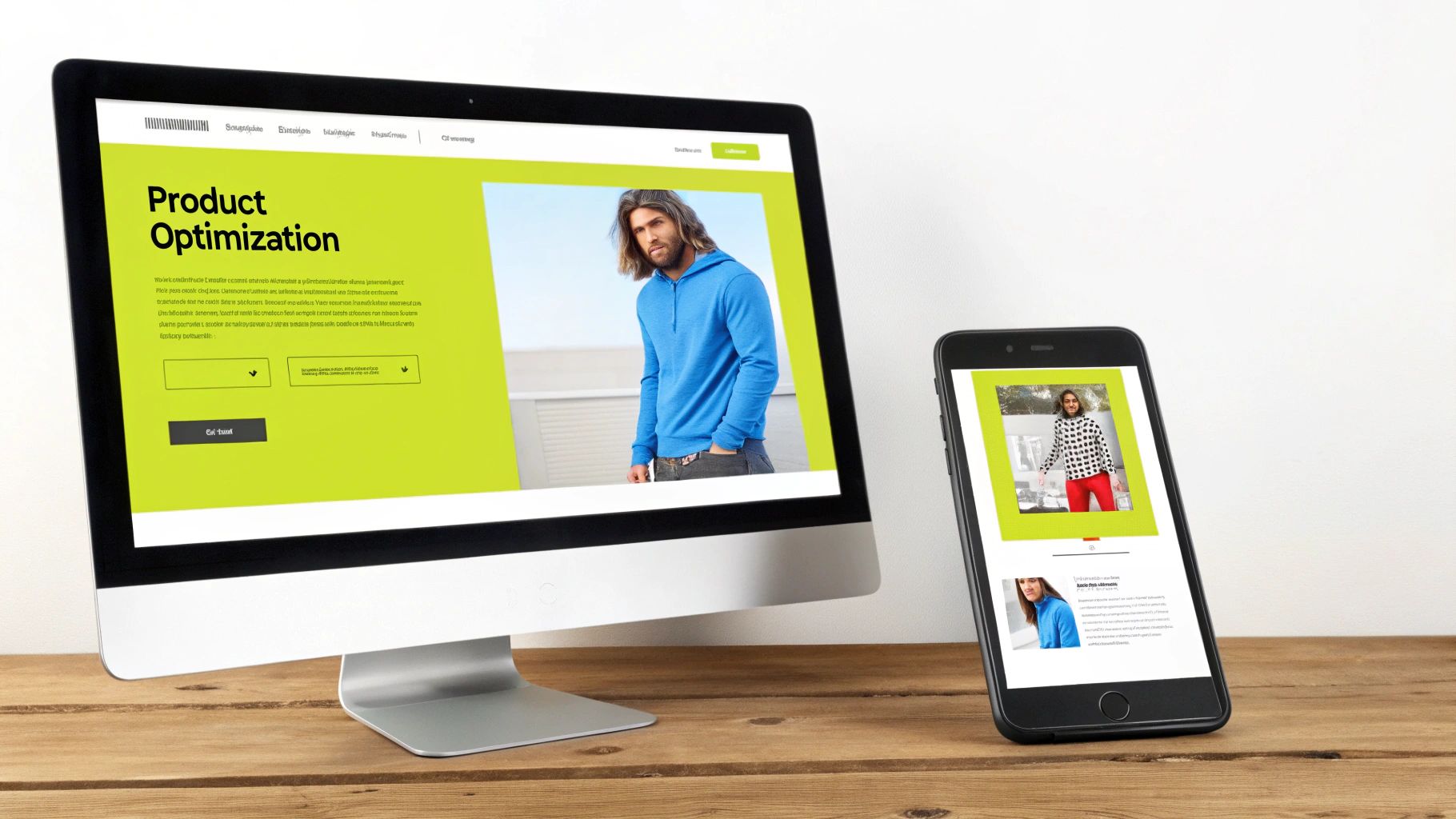
Many Shopify store owners concentrate on their local market. However, they may be overlooking the platform's significant global potential. Shopify provides access to a huge network of potential customers. This makes international expansion a smart strategy for boosting Shopify sales. It means looking beyond geographical limitations and strategically positioning your business to connect with a wider audience.
Expanding Your Reach Beyond Borders
One of the biggest advantages of selling on Shopify is its impressive global reach. As of 2025, Shopify supports 5.54 million active stores around the world. That's about 27% of all eCommerce websites globally, connecting businesses with a vast customer base of 700 million shoppers in 175 countries. This global presence, combined with Shopify's user-friendly platform and various integrations, has made it a popular choice for over 2 million merchants worldwide. You can explore more detailed Shopify Statistics.
This widespread adoption offers significant opportunities for growth. But, successfully expanding internationally requires careful preparation and implementation. Think about essential elements like currency conversions. Presenting prices in a customer's local currency minimizes confusion and encourages purchases.
Offering multiple payment options is also crucial. This caters to varying customer preferences and streamlines the checkout process. Popular choices include PayPal, Apple Pay, and Google Pay, in addition to traditional credit cards.
Optimizing for International Buyers
Beyond payment methods, shipping plays a vital role in international sales. Clear and affordable shipping options are essential for transforming international browsers into paying customers. Consider offering tracked shipping to provide peace of mind and build customer trust. This can significantly reduce cart abandonment and boost customer satisfaction.
Localization is another critical component of optimizing for international buyers. It goes beyond simple translation and involves adapting your marketing and product information to align with specific cultural nuances. Understanding local holidays and customs can help you create effective, targeted marketing campaigns. Focusing on increasing customer lifetime value is a key strategy for sustained sales growth.
Leveraging Multi-Channel Opportunities
Finally, consider the advantages of multi-channel selling. Shopify seamlessly integrates with other platforms, such as social media marketplaces and online retailers like Amazon. Expanding your presence to these channels can expose your products to new audiences and significantly increase your sales potential.
By strategically placing your brand within these marketplaces, you can capitalize on established customer bases and drive substantial growth. Diversifying across multiple sales channels not only expands your reach but also reduces reliance on any single platform. This contributes to a more resilient and adaptable business model.
Building Product Pages That Actually Convert
Your Shopify product pages are the heart of your sales operation. They're where casual browsing transforms into actual purchases. However, many online stores fall short, creating pages that deter customers instead of drawing them in. Let's explore how to optimize your product pages for higher conversion rates.
Crafting Compelling Product Descriptions
Don't just list features; tell a story. Focus on addressing your customer's pain points and demonstrating how your product provides solutions. High-converting product descriptions speak directly to needs and desires. For example, instead of "This jacket is waterproof," try "Stay dry and comfortable on your next adventure, no matter the weather, with our fully waterproof jacket." This customer-centric language makes an emotional connection, increasing purchase probability.
The Power of Persuasive Product Imagery
Product images are a powerful sales tool, not just visual placeholders. High-quality images from various angles, especially in real-life scenarios, are key. Think lifestyle shots that show how the product fits into the customer's world, helping them visualize owning and using it.
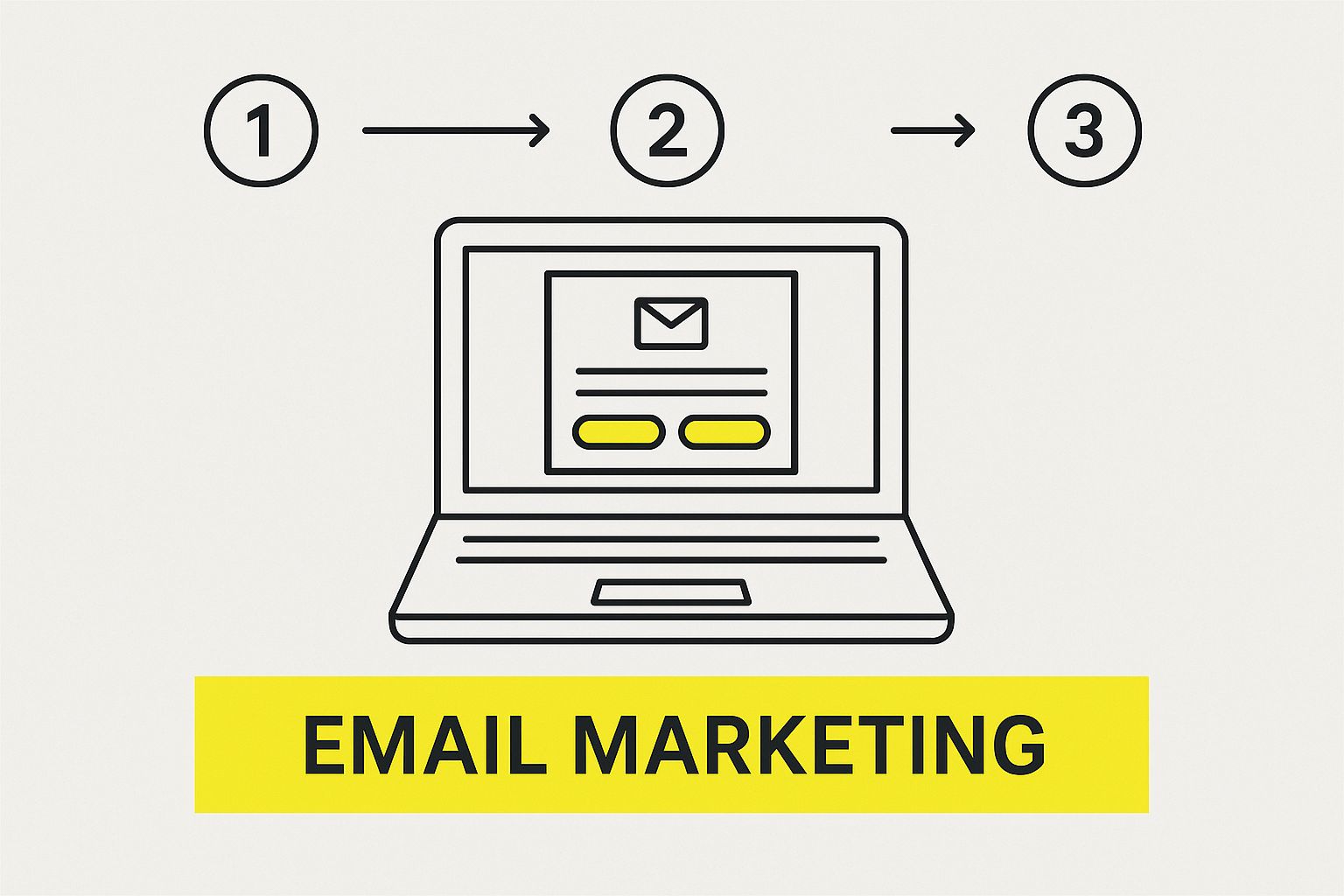
The infographic above highlights email marketing's role in driving sales. A well-crafted marketing email prompts customer action. Strategic call-to-action buttons guide potential buyers toward purchases. This shows that email marketing can effectively engage customers and promote product discovery, boosting sales.
Building Trust With Social Proof
Social proof is a strong influencer. Displaying customer reviews, testimonials, and ratings builds confidence. Authenticity is crucial. Avoid generic testimonials. Instead, showcase genuine feedback that addresses specific benefits and concerns. This transparency fosters trust and encourages conversions.
To help you optimize your product pages, here's a handy checklist:
Product Page Optimization Checklist
Essential elements to include on high-converting product pages with implementation priorities
| Element | Impact Level | Implementation Difficulty | Expected Conversion Lift |
|---|---|---|---|
| Compelling Product Descriptions | High | Low | 10-20% |
| High-Quality Product Imagery | High | Medium | 15-25% |
| Social Proof (Reviews, Testimonials) | Medium | Low | 5-15% |
| Genuine Urgency Tactics | Medium | Medium | 5-10% |
| SEO Optimization | Low | Low | Ongoing Growth |
This checklist provides a roadmap for improving your product page performance. By focusing on these key elements, you can create a more engaging and persuasive shopping experience for your customers.
Creating Urgency Without Being Pushy
Urgency can motivate purchases, but it must be authentic. Limited-time offers, low stock notifications, and countdown timers can be effective when used sparingly. Overuse creates distrust. Strive for a sense of scarcity that compels action without feeling manipulative.
Optimizing for Both Search Engines and Humans
A well-structured product page benefits both customers and search engine rankings. Optimize product titles, descriptions, and images with relevant keywords. This helps customers find your products through search engines like Google, driving organic traffic. Clear, concise product information makes for a smoother shopping experience, increasing sales.
Perfecting Your Checkout Process For Maximum Sales

A clunky checkout can seriously hurt your Shopify sales. This section focuses on improving your checkout experience to boost conversions. We'll explore key ways to reduce friction and create a checkout your customers will appreciate.
Eliminating Friction Points for a Smoother Checkout
The first step to a better checkout is finding and removing friction points. These are the things that stop customers from finishing their purchase. Requiring account creation, for example, can be a real deterrent. Offering a guest checkout option solves this and allows for faster purchases.
Another common friction point is a complicated or long checkout process. Keep it simple, and only ask for essential information. Streamlining this process can significantly increase your conversion rates. Also, optimizing for mobile devices is critical. So many people shop on their phones and tablets these days. Mobile responsiveness isn’t optional; it’s a must-have for better sales.
Leveraging Shopify Payments and Multiple Payment Options
Shopify Payments is a secure and user-friendly payment gateway that builds trust with your customers. This integrated system makes transactions easier and improves the overall checkout flow. Shopify’s market position adds to its sales-boosting potential.
In the second quarter of 2024, Shopify's revenue grew by 21% to $2 billion. The wide use of tools like Shopify Payments, used by 1.85 million merchants, adds to this growth. You can find more detailed statistics here. Besides Shopify Payments, think about offering other payment options like PayPal, Apple Pay, and Google Pay. Giving customers a choice makes checkout more convenient. You might also find this helpful: How to master Shopify store optimization.
Transparency and Security in Shipping and Checkout
Being upfront about shipping costs is essential. Clearly show shipping rates early on to avoid surprises at checkout. Unexpected costs are a common reason for cart abandonment. This means showing accurate, real-time shipping costs based on the customer’s location.
It's also important to reassure customers about their security. Display security badges and use secure checkout processes to build trust. This confidence is crucial for encouraging completed orders. Smart use of checkout extensions can further improve the customer experience. These can offer personalized product recommendations or upsells, potentially increasing your average order value.
Marketing Strategies That Drive Real Traffic and Sales
Great products alone won't guarantee success on your Shopify store. Driving targeted traffic and converting that traffic into paying customers requires a well-defined marketing strategy. This means more than just posting on social media and hoping for the best. It requires understanding your audience, their needs, and how to effectively reach them.
Building an Email List That Converts
Many Shopify stores collect email addresses but don't convert them into sales. The key is providing value in exchange for that email address. Think exclusive discounts, early access to new products, or valuable content like style guides or how-to videos related to your products. This establishes a relationship with your audience, positioning you as a helpful resource, not just another seller.
For example, offering a discount code for signing up incentivizes customers to join your list and gives them an immediate benefit, encouraging a first purchase. Segmenting your email list allows for more personalized messaging. This means tailoring emails to specific customer interests and behaviors, increasing the relevance of your offers and improving click-through rates.
Content Marketing That Drives Organic Traffic
Creating valuable content that attracts your ideal customers is crucial for organic growth. This goes beyond blogging. Consider creating video tutorials demonstrating your products, developing informative infographics addressing common customer questions, or hosting live Q&A sessions on social media platforms like Facebook or Instagram.
Engaging content attracts potential customers searching for information and positions your brand as an authority in your niche. This approach builds trust and organic traffic without relying solely on paid advertising. Content creation needs to be strategic. Focus on topics relevant to your target audience and optimize your content for relevant keywords to improve search engine visibility, boosting organic traffic and potentially driving sales.
Leveraging Social Proof for Increased Trust
Social proof is powerful for building trust and encouraging purchases. Customer reviews and testimonials are essential, but go beyond simply displaying them on product pages. Incorporate them into your email marketing campaigns, share positive feedback on social media, and feature them prominently on your homepage. This demonstrates product value through the voices of satisfied customers, encouraging new buyers.
Influencer marketing can be a powerful way to reach new audiences and build credibility. Partnering with influencers relevant to your niche can expose your brand to a wider audience and create authentic endorsements that resonate with potential customers, driving both traffic and sales.
Paid Advertising Strategies for Profitable Growth
While organic marketing is essential, paid advertising can significantly accelerate sales growth. Platforms like Google Ads and Facebook Ads offer powerful targeting options, allowing you to reach specific demographics and interests. Effective paid advertising requires careful planning and monitoring.
Track your return on investment (ROI) closely, analyze campaign performance, and continually optimize your ads. This data-driven approach ensures you’re allocating your budget effectively. A/B testing different ad creatives and targeting parameters helps identify what resonates with your audience, leading to higher click-through rates and conversions. Combining organic strategies with targeted paid campaigns creates a comprehensive marketing strategy.
Creating Effective Marketing Funnels and Retention Strategies
Turning one-time buyers into repeat customers is key for long-term success. Develop a marketing funnel that guides customers through the entire buying journey, from initial awareness to purchase and beyond. This involves creating targeted email sequences that nurture leads, offering exclusive discounts for repeat purchases, and providing exceptional customer service that encourages loyalty.
Implementing a customer loyalty program can incentivize repeat business and build a strong community around your brand. By focusing on both acquisition and retention, you can create a sustainable growth engine for your Shopify store. This multifaceted approach, combining various marketing tactics, addresses attracting, converting, and retaining customers, maximizing your sales potential.
Maximizing Peak Shopping Seasons For Explosive Growth
Peak shopping seasons, like Black Friday and Cyber Monday, plus other industry-specific events, offer huge opportunities to boost your Shopify sales. These busy periods also come with their own set of challenges. Getting ready for these high-traffic times is essential for making the most of your earning potential.
Inventory Planning and Promotional Tactics
Smart inventory planning is critical. You need to avoid running out of stock during peak seasons. Look at your sales data from past years. This helps you predict demand and make sure you have enough product. But, be careful not to overstock. Holding too much inventory can tie up your cash flow. Think about using pre-orders or back-in-stock notifications. These tools help manage demand and keep excess inventory low.
Getting shoppers to your Shopify store means having a strong marketing plan. This could include startup marketing strategies. It takes smart promotional tactics to stand out in a busy market. Limited-time offers and countdown timers can create a sense of urgency, encouraging shoppers to buy now. Use scarcity marketing honestly and effectively. Highlight limited quantities or exclusive deals.
Technical Preparations and Offer Optimization
Make sure your website can handle the rush of shoppers. This prevents crashes and keeps the customer experience smooth. You might need to upgrade your hosting plan or optimize your store for speed. Test your website thoroughly before peak season starts. This will help you find and fix any problems.
Creating appealing offers is also important for boosting conversions during these key periods. Try bundling products, offering free gifts with purchase, or providing exclusive discounts. These incentives encourage buying. Learn more about optimizing offers in our article on how to master product category metrics. Clearly and concisely highlight the value of your offers. This makes them even more attractive.
Extending Momentum and Building Loyalty
Peak seasons are a great time to get new customers. But don't stop there. Put strategies in place to turn these first-time buyers into loyal, repeat customers. Things like follow-up emails after a purchase, special discounts for future purchases, and personalized recommendations can build lasting relationships. After the peak season is over, analyze how things went. Identify areas where you can improve for the next peak season. This continuous improvement will help you grow consistently. You'll be on your way to maximizing your Shopify sales all year round.
Using Data To Make Sales-Boosting Decisions
Successful Shopify stores don't rely on gut feelings; they use data-driven insights to refine their strategies and boost sales. This means using Shopify's built-in analytics and exploring third-party tools like Google Analytics to understand their business better. Knowing which metrics matter helps identify areas for improvement and make informed decisions that directly impact profits.
Key Metrics for Shopify Sales Growth
Several key metrics are essential for tracking progress and finding opportunities to increase Shopify sales.
- Conversion Rate: This measures the percentage of store visitors who make a purchase. A low conversion rate might signal problems with product pages, the checkout process, or the overall user experience.
- Average Order Value (AOV): This is the average amount spent per order. Increasing your AOV can significantly boost revenue. Strategies like upselling, cross-selling, and bundled deals can be very effective.
- Customer Lifetime Value (CLTV): This metric predicts the total revenue expected from a single customer throughout their relationship with your store. Understanding CLTV helps prioritize customer retention and loyalty programs.
- Traffic Source Performance: Knowing where your traffic comes from (e.g., organic search, social media, paid advertising) lets you focus marketing on the most effective channels. For further reading, check out this article on How to master Shopify sales channel analysis.
Regularly monitoring these metrics provides valuable insights into customer behavior and highlights areas needing improvement. This data-driven approach empowers you to make smart decisions about marketing, product offerings, and overall store strategy.
Setting Up Tracking and Interpreting Data
Shopify's built-in analytics dashboard provides a lot of data. Setting up additional tracking, however, offers even more detailed insights. This could include using Google Analytics to track website traffic and user behavior, or implementing tools to monitor specific marketing campaigns. The key is to interpret this data effectively without feeling overwhelmed.
To put it another way, think of data as your roadmap. By understanding the meaning behind the numbers, you can plot your course more efficiently and discover the fastest routes to success.
To help you get started, here's a table summarizing some essential metrics:
Essential Shopify Metrics To Track
Key performance indicators and their benchmarks for measuring store success
| Metric | Good Benchmark | Tracking Method | Optimization Priority |
|---|---|---|---|
| Conversion Rate | 2-5% | Shopify Analytics, Google Analytics | High |
| Average Order Value (AOV) | $50+ | Shopify Analytics | High |
| Customer Lifetime Value (CLTV) | Depends on industry | Shopify Analytics, CRM tools | Medium |
| Traffic Source Performance | Varies | Google Analytics, Referral Tracking | Medium |
This table provides a starting point for tracking your store's performance. Remember to adjust benchmarks based on your industry and business goals. Regularly reviewing these metrics and making data-driven decisions is key to sustainable growth.
Advanced Techniques for Sales Optimization
Once you understand basic metrics, you can explore more advanced techniques. Cohort analysis, for example, groups customers by shared characteristics (like acquisition date or purchase behavior) to understand how different customer segments interact with your store. This is valuable for targeted marketing and personalized experiences.
Funnel optimization analyzes the steps customers take from browsing to purchase. This helps identify drop-off points and allows for adjustments to improve conversion rates at each stage. This might mean simplifying the checkout, offering more payment options, or providing better product information.
A/B Testing and Marketing Channel Performance
A/B testing compares two versions of a webpage or marketing element to see which performs better. This helps you make data-backed decisions about design changes, calls to action, and other elements impacting customer behavior. Tracking marketing channel performance ensures your budget goes to the most profitable strategies, optimizing for maximum ROI.
By combining data analysis with tools like heat mapping, which visually shows customer interaction on your web pages, you can pinpoint non-performant elements. This allows you to make strategic improvements to improve user experience and potentially increase sales.
Building Customer Relationships That Generate Repeat Sales
Acquiring new customers can be five times more expensive than keeping the ones you already have. Many Shopify stores focus on getting new customers, but building relationships with existing ones is just as important. This section explores how to nurture those relationships, leading to repeat business, positive referrals, and a boost to your overall Shopify sales.
Retention Tactics That Work
Customer retention is like building a loyal fan base. It's about making your customers feel valued and appreciated. Personalized experiences are a great way to do this. Try addressing customers by name in emails, recommending products based on their past purchases, or offering special birthday discounts. These small gestures can go a long way in building loyalty.
Follow-up sequences are another powerful tactic. These automated emails can nurture potential customers, provide helpful information about purchased products, and suggest related items, encouraging more sales.
Loyalty Programs and Post-Purchase Experiences
Loyalty programs are a tried-and-true method for encouraging repeat business. Offering exclusive rewards, early access to sales, or free gifts keeps customers engaged and coming back for more.
The post-purchase experience matters too. This includes everything from order confirmations to shipping updates and product care tips. Exceeding customer expectations here can create a lasting positive impression. Consider a handwritten thank you note or a small gift with their order. These personal touches strengthen relationships and show customers you value their business.
Turning Complaints Into Opportunities
Exceptional customer service is the foundation of strong customer relationships. Respond quickly and efficiently to inquiries and complaints. See complaints as opportunities to learn and grow. Turning a negative experience into a positive one can build loyalty and generate positive word-of-mouth referrals.
User-generated content, like customer reviews and testimonials, is a powerful marketing tool. Encourage customers to share their experiences by offering incentives or featuring them on your social media channels. This builds community and provides social proof, which can boost your Shopify sales.
Referral Programs and Subscription Models
Referral programs are a great way to generate quality leads by leveraging your current customer base. Rewarding customers for referrals creates a win-win situation. Subscription models provide a predictable revenue stream and encourage repeat purchases. This is a particularly effective strategy for businesses selling consumable products or ongoing services.
Automating customer communication through email marketing and personalized messaging is essential, but avoid robotic interactions. Aim for authentic communication that resonates with your audience and builds a genuine connection. This approach strengthens relationships and fosters long-term loyalty.
Looking to grow your Shopify store? E-commerce Dev Group offers Shopify design, development, and support services to help boost your business. Visit E-commerce Dev Group to learn more.
