


The Evolution of Ecommerce Content Strategy

The days of relying solely on simple product descriptions and a few blog posts for a successful ecommerce content strategy are over. Today’s online shoppers expect more. The current marketplace demands a more thoughtful and strategic approach. This reflects how consumer behavior has changed.
Consumers want more than just the basic facts about a product. They’re looking for engaging experiences that speak to their needs and build trust. This means businesses need to adapt their content to match.
From Product Information to Customer Experience
Ecommerce content used to focus mainly on technical details and specifications. Now, successful online stores are shifting away from this purely transactional approach. They're cultivating more holistic customer experiences.
This involves creating content that solves customer problems and builds a sense of community. For example, instead of just listing features, a hiking boot brand could create a blog post on choosing the right boot for various terrains, enhanced with customer testimonials and visuals. This added value engages customers on a deeper level.
The Downfalls of Traditional Approaches
Traditional content strategies are often ineffective in today’s competitive online world. Simply adding keywords to product descriptions isn't enough. Generic blog posts without a clear purpose won't grab attention or encourage meaningful engagement.
Businesses need to create targeted, customer-centric content strategies to truly stand out. Prioritizing valuable, resonant content builds genuine connections with the target audience. This leads to better results than generic content.
Using Content to Build Brand and Loyalty
Leading ecommerce brands use strategic content to set themselves apart. They understand that content is key for building brand identity and showcasing what makes them unique. They also focus on developing long-term customer relationships.
This might involve loyalty programs, exclusive content for subscribers, or fostering community through social media engagement. This boosts sales and cultivates brand loyalty and positive word-of-mouth. It's a win-win for both the brand and the consumer.
Ecommerce content strategies are essential for driving organic visibility and improving user experiences. By 2025, search engine-optimized content is predicted to be crucial for increasing organic traffic. It helps improve search engine results page (SERP) rankings. This cost-effective method drives long-term traffic and is vital for any ecommerce strategy.
Well-structured content also improves site navigation. This guides customers through their buying journey and makes it easier for them to find information. Learn more about effective strategies here. This shift toward customer-focused content is changing the ecommerce landscape. It requires businesses to adopt a more strategic and creative approach to content.
Building Trust Through Strategic Content
Today's online shoppers are savvy and cautious. Faced with countless options, they're understandably wary of brands that overpromise and underdeliver. This makes ecommerce content strategy more important than ever. Building trust isn't a nice-to-have anymore—it's essential for survival.
Understanding The Psychology of Digital Purchase Decisions
Hesitation is a common part of the online buying process. Customers can't physically examine products, which naturally leads to questions and uncertainty. Strategic content bridges this gap between browsing and buying. It acts like a virtual sales associate, addressing concerns and guiding customers towards a confident purchase.
Content Elements That Build Trust
Specific types of content can dramatically boost trust throughout the customer journey:
- Detailed Product Information: Go beyond the basics. Offer comprehensive information including size charts, materials, and 360-degree product views.
- Comparison Guides: Empower customers to make smart choices by comparing similar products. This positions your brand as a helpful resource, not just a pushy salesperson.
- Authentic User Testimonials and Reviews: Genuine feedback from other buyers builds confidence. Display positive reviews and testimonials prominently.
- High-Quality Photography and Videography: Professional visuals present your products in their best light, conveying a sense of quality and professionalism.
Addressing Purchase Objections Proactively
Successful ecommerce businesses anticipate customer concerns and address them head-on with targeted content. For example, if shipping costs are a frequent concern, create a clear and concise shipping policy page. If product durability is a question, develop content showcasing the product's resilience. You might be interested in: How to master your site structure.
Combining high-quality, informative content with on-site trust signals builds brand authority and reduces purchase hesitation. For instance, brands prioritizing quality content see improved conversion rates because clear, persuasive content addresses concerns and reinforces value. Find more detailed statistics here. While the exact improvement in conversion rates varies, studies show well-executed content strategies significantly increase sales and engagement. This proactive approach builds trust and establishes your brand as an expert resource.
Mapping Content To Your Customer's Buying Journey
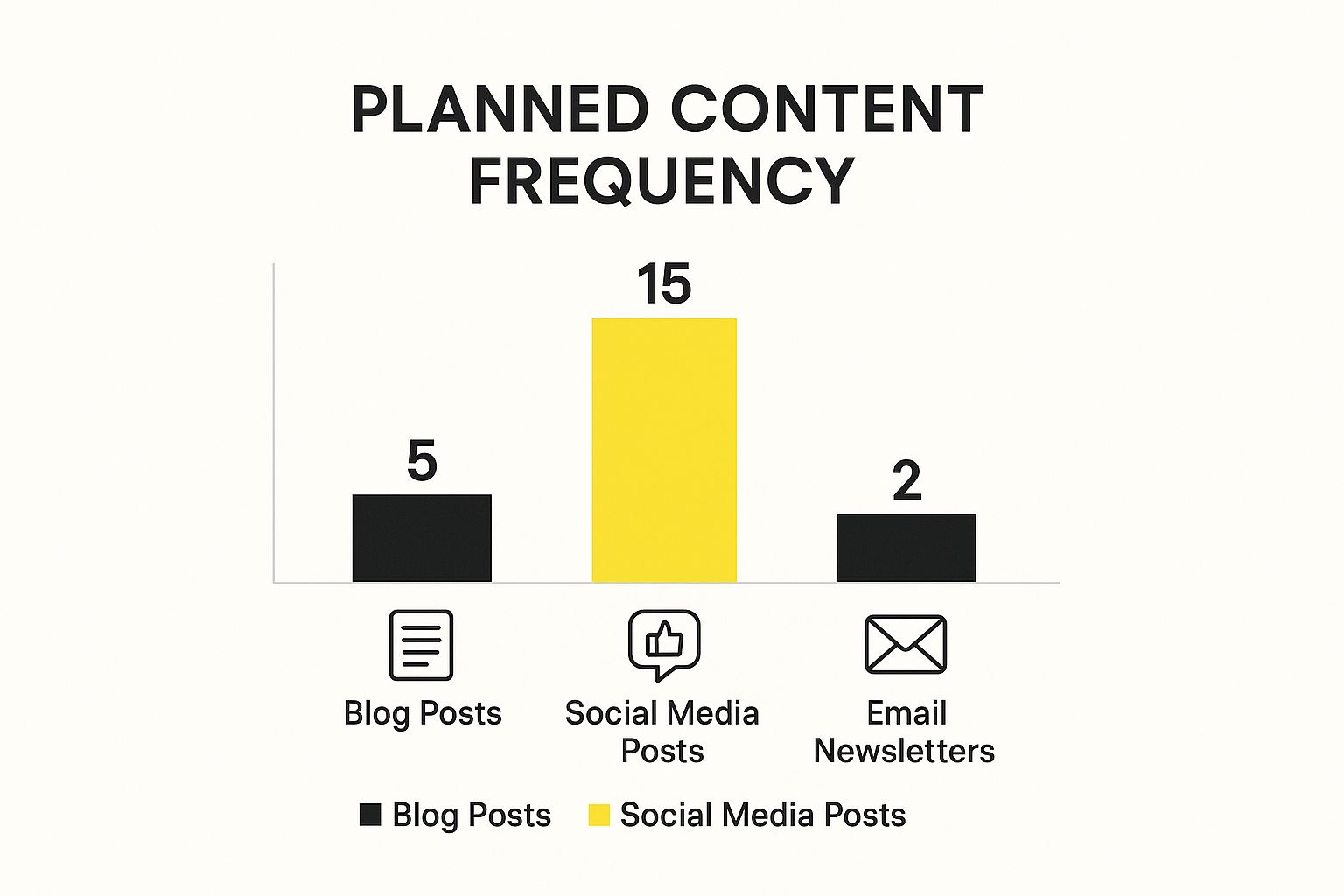
A successful ecommerce content strategy hinges on understanding your customer's journey. Creating content isn't enough; you need the right content at the right time. This means carefully mapping your content to each stage of the buying process. This targeted approach helps your content resonate with potential customers at each step, gently guiding them towards a purchase and fostering long-term loyalty.
Understanding The Customer Journey Stages
The typical customer journey includes four key stages: awareness, consideration, decision, and post-purchase. Each stage represents a different level of interaction with your brand. Understanding these stages allows you to create highly effective, targeted content.
The first stage, awareness, is where the customer realizes they have a problem or need. They begin researching solutions but haven't narrowed down their options.
Next, in the consideration stage, the customer actively evaluates different solutions and compares brands. They seek information to make an informed decision.
The decision stage is when the customer is ready to buy. They’ve chosen a product and now look for the best deal or the most convenient purchasing option.
Finally, the post-purchase stage is where the customer experience continues after buying. This stage is crucial for building loyalty and encouraging repeat business.
Aligning Content With Each Stage
Different content types are effective at different stages. Mapping your content to the customer journey maximizes its impact.
-
Awareness: Blog posts, articles, and educational videos work well for attracting customers beginning their research. For example, a blog post titled "5 Signs You Need a New Mattress" could target customers with sleep problems.
-
Consideration: Comparison guides, product reviews, and case studies help customers evaluate options. A comparison chart highlighting the features of different mattresses helps customers in this phase.
-
Decision: Product demos, free trials, and special offers can encourage purchases. A limited-time discount or free shipping might be the deciding factor for a customer ready to buy.
-
Post-Purchase: Follow-up emails, thank you notes, and loyalty programs strengthen customer relationships. A personalized email with mattress care tips could improve the post-purchase experience.
Visualizing Content Effectiveness
The following data chart illustrates how different content types perform at each stage of the customer journey, showing the relative effectiveness of blog posts, videos, product reviews, and email marketing.
| Journey Stage | Content Types | Primary Purpose | Key Metrics |
|---|---|---|---|
| Awareness | Blog Posts | Attract and educate potential customers | Website traffic, Brand awareness |
| Consideration | Videos | Engage and inform considering customers | View count, Watch time |
| Decision | Product Reviews | Influence purchase decisions | Conversion rate, Sales |
| Post-Purchase | Email Marketing | Build loyalty and encourage repeat purchases | Customer retention, Repeat purchase rate |
As shown in the chart, blog posts are highly effective during the awareness stage, with 60% engagement. Videos shine in the consideration phase, achieving 70% engagement. Product reviews strongly influence the decision stage with 75% effectiveness, while email marketing excels in the post-purchase stage, driving 80% customer retention. This data underscores the importance of a diversified content strategy for every stage.
Mapping your ecommerce content strategy to the customer journey creates a seamless, persuasive experience. By providing valuable, relevant content at each stage, you build trust, nurture relationships, and ultimately drive sales. This targeted approach is vital for boosting your online visibility and achieving your business goals. A well-defined customer journey map is the cornerstone of any effective ecommerce content strategy, and using a customer journey mapping template can be a valuable tool. You can start with a customer journey mapping template to streamline this crucial step and improve your results using platforms like Scaleshopify.
Data-Driven Content Optimization That Delivers Results

Data is the lifeblood of any successful ecommerce content strategy. Forget vanity metrics like page views. Leading online retailers focus on connecting content directly to revenue. This data-driven approach allows for continuous improvement. It ensures content contributes to the bottom line. It's about making informed decisions based on concrete evidence, not gut feelings.
Measuring Content ROI in Ecommerce
The real power of content analytics is its ability to demonstrate return on investment (ROI). This means establishing clear key performance indicators (KPIs) that align with business objectives.
For example, instead of just tracking traffic, focus on metrics like:
- Conversions
- Average order value
- Customer lifetime value
This shift in perspective lets you measure the true impact of your content.
Collecting and Analyzing Customer Behavior Data
Effective ecommerce content strategies depend on understanding customer behavior. Tools like Google Analytics provide valuable insights into how users interact with your content.
This data helps identify content gaps and uncover untapped opportunities. Heatmaps and scroll tracking reveal which content elements resonate with your audience and which are ignored. This detailed analysis lets you tailor content for maximum impact.
Mapping content to the customer's buying journey is crucial. A well-designed customer journey mapping template can streamline this process. It helps you refine your ecommerce content strategy over time.
A/B Testing For Content Optimization
A/B testing, also known as split testing, is a powerful technique for optimizing content performance. By comparing different versions of content elements, you can identify what resonates best with your target audience.
Some key elements to test include:
- Headlines
- Calls to action
- Images
This iterative process lets you continuously improve content based on user data.
When developing an ecommerce content strategy, understanding current trends and challenges is essential. For example, your strategy needs to balance search engine optimization (SEO), consistent brand voice, and thorough audience research.
Despite these challenges, many B2B marketers are investing more in content marketing, with 46% expecting increased budgets in 2025. Ecommerce brands can learn from B2B strategies. Focus on quality over quantity and ensure content aligns with customer journeys. Learn more about these trends here. You might be interested in how to master your site structure. This informed approach ensures you deliver engaging and effective content experiences.
Emerging Trends Reshaping Ecommerce Content

The ecommerce world is constantly changing. For businesses to stay competitive, they need to adapt. This means keeping up with the latest ecommerce content strategy trends and understanding how customers interact with content online. Using new technologies to improve the customer experience is also key. Staying informed is crucial for long-term success.
The Rise of AI-Powered Personalization
Artificial intelligence (AI) is changing how brands personalize content. AI algorithms analyze customer data to provide tailored product recommendations. They also create personalized email campaigns and even generate dynamic website content. This content adapts to each user's preferences. This targeted approach boosts engagement and conversions by showing customers the most relevant information. This represents a significant shift in ecommerce content strategy.
This personalized approach also helps build stronger customer relationships. By understanding individual preferences, brands can deliver a more relevant and valuable experience, leading to increased customer loyalty. This focus on personalization is a key trend in ecommerce content.
Visual and Interactive Content: Engaging the Modern Shopper
Today's shoppers want interactive experiences. This means using visual and interactive content is more important than ever. Think 360-degree product views, augmented reality (AR) experiences, and shoppable videos. These formats offer a more engaging way for customers to explore products. This leads to increased confidence and higher conversion rates.
These innovative approaches help brands stand out from the competition. By providing a unique and memorable experience, businesses can capture customer attention and drive sales. Interactive content is a powerful tool for ecommerce success.
User-Generated Content: Building Trust and Community
Authenticity is key in today's market. User-generated content (UGC), like customer reviews, photos, and videos, builds trust with potential buyers. It provides social proof that your products are worth buying. Using UGC in your ecommerce content strategy can greatly increase credibility and create a community around your brand.
This organic content strengthens customer relationships. By featuring real customer experiences, brands can connect with their audience on a deeper level. This fosters a sense of loyalty and encourages repeat purchases.
Voice Search Optimization: Adapting to the Changing Search Landscape
With the increasing popularity of smart speakers and voice assistants, optimizing content for voice search is essential. This means focusing on long-tail keywords and conversational language. Think about how people speak naturally. Adapting to this shift in search behavior is vital for staying visible and reaching customers on this growing channel.
Keywords alone are not enough anymore. Understanding user intent and conversational patterns is key. By optimizing content for voice search, businesses can ensure their products are found by customers using voice-activated devices.
To better understand how different content types perform, let's look at some industry benchmarks.
Ecommerce Content Performance Benchmarks
This table presents current industry benchmarks for different content types across key performance indicators.
| Content Type | Average Engagement Rate | Conversion Impact | SEO Value | Production Complexity |
|---|---|---|---|---|
| Product Descriptions | Low | High | Medium | Low |
| Blog Posts | Medium | Medium | High | Medium |
| Customer Reviews | High | High | Medium | Low |
| Videos | High | High | Medium | High |
| Social Media Posts | Medium | Low | Low | Low |
This table illustrates the strengths and weaknesses of different content formats. For example, while product descriptions have a high conversion impact, their engagement rate is typically low. Blog posts, on the other hand, offer a balance of engagement and SEO value.
Ecommerce is constantly evolving. By 2025, the industry is predicted to continue its growth, with content marketing playing a crucial role. For more ecommerce marketing statistics, check out this resource: https://www.sixthcitymarketing.com/ecommerce-marketing-stats/. You can also improve your site structure by following this guide: optimizing your site structure. Staying ahead of these trends is key for any business wanting to thrive in ecommerce.
Implementing Your Ecommerce Content Strategy
Taking your ecommerce content strategy from the planning stage to actual implementation requires a well-structured approach. It's more than simply writing blog posts and product descriptions. You need to consider resource allocation, efficient workflows, and team collaboration to see consistent results.
Resource Allocation and Workflow Streamlining
Effective implementation starts with smart resource allocation. Identify which content formats, such as blog posts, videos, or infographics, best resonate with your target audience. Then, allocate your budget and personnel accordingly to maximize your impact.
Next, establish a streamlined production workflow. Clearly define roles and responsibilities for content creation, editing, and publishing. Using tools like editorial calendars and a content management system (CMS) can greatly improve efficiency and ensure consistent content output.
Collaboration and Content Governance
Collaboration is key to a successful ecommerce content strategy. This means clear communication between your marketing, sales, product development, and customer service teams. When everyone understands how their work contributes to the overall content strategy, it ensures everyone is working towards the same goals.
A content governance model is also essential. This establishes clear guidelines for your brand voice, style, and messaging, ensuring consistency across all your content channels. This consistency helps strengthen your brand identity and builds a more recognizable brand presence.
Scalability and Measurement
For long-term success, build a scalable content system. This means developing adaptable processes that can handle changing market demands and promotional calendars. This flexibility will help you maintain content quality while staying competitive.
Finally, measure your content’s effectiveness. Define clear key performance indicators (KPIs) and track them regularly. This data-driven approach enables you to refine your strategy over time, ensuring continuous improvement and demonstrating a clear return on investment.
Practical Frameworks for Ecommerce Content Management
Managing content across various product categories and sales channels requires a structured approach. A content matrix, organizing your content by product category and customer journey stage, can be very useful. This helps ensure you have relevant content for each step of the customer journey.
Creating engaging content and standing out in crowded markets are common challenges for both B2B and B2C businesses. Using data-driven insights and scalable models helps address these challenges and improves ecommerce content strategies. More detailed statistics can be found here. This research will help keep your content effective and relevant.
Ready to improve your Shopify store? E-commerce Dev Group offers expert Shopify design, development, and support. From store design and theme customization to app integration and performance optimization, we help businesses of all sizes succeed in the competitive ecommerce landscape. Visit us at https://scaleshopify.com to learn more.
