


Mastering Your Shopify Analytics Dashboard
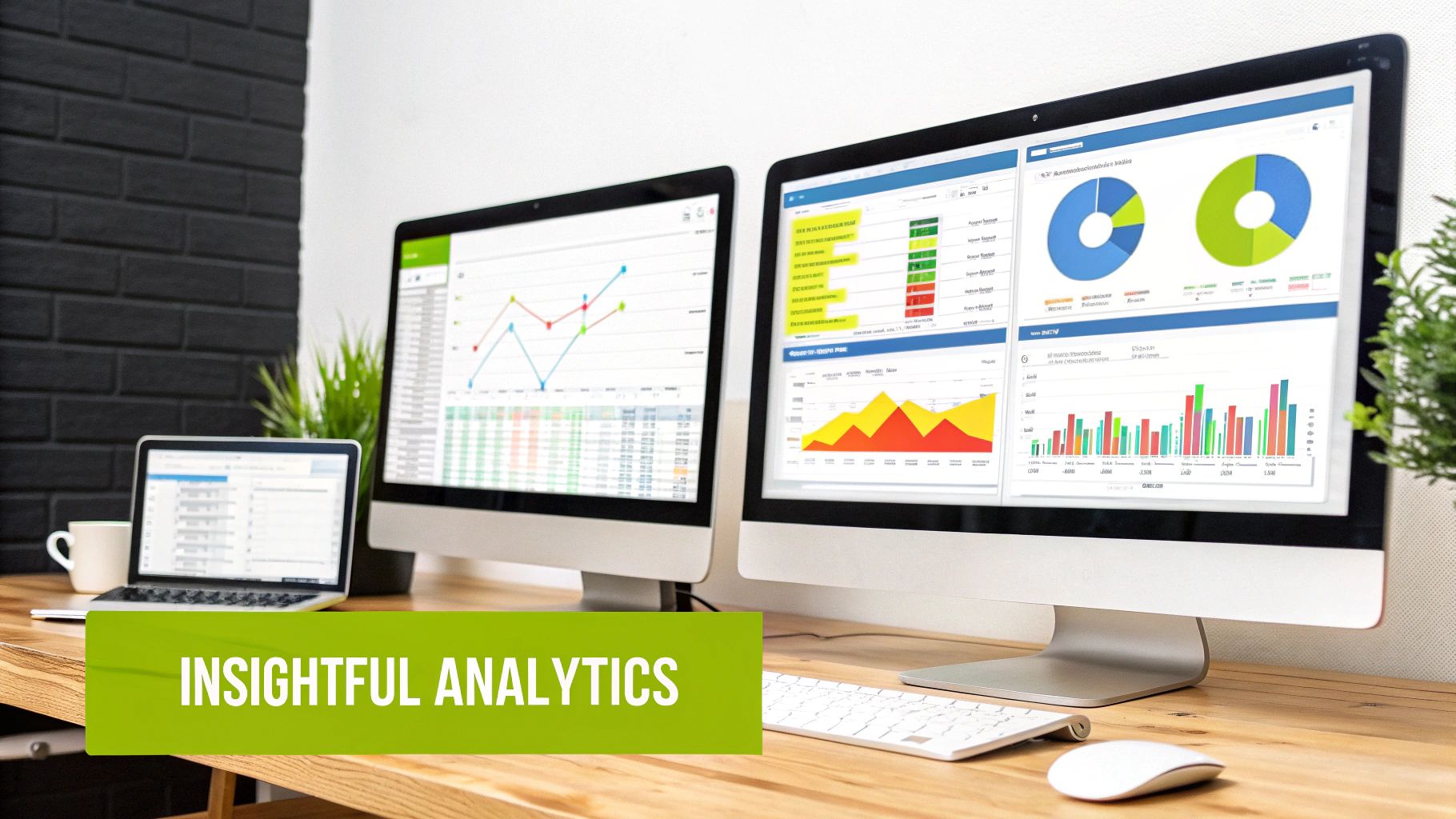
Before diving into tactics, understanding your operating ecosystem is crucial. Learn more about the Shopify Ecosystem For Growth. Now, let's assess your current standing. This section explores the metrics that truly matter for Shopify success, moving beyond superficial numbers like social media followers. We'll focus on actionable insights directly linked to increased sales on Shopify, starting with mastering your analytics dashboard.
Key Metrics to Monitor
Instead of getting overwhelmed by data, concentrate on these key metrics:
-
Conversion Rate: This measures the percentage of visitors who complete a purchase. A low conversion rate may indicate issues with product pages, pricing, or the checkout process.
-
Average Order Value (AOV): This shows the average amount spent per order. Increasing your AOV can significantly boost revenue, even with a stable conversion rate. Consider upselling, cross-selling, and product bundles to maximize this metric.
-
Cart Abandonment Rate: This reveals the percentage of shoppers who add items to their cart but abandon the purchase. A high rate can indicate problems with shipping costs, a complex checkout process, or a lack of trust signals.
Identifying Bottlenecks and Opportunities
Analyzing these metrics helps pinpoint bottlenecks hindering your revenue. For example, a low conversion rate combined with a high cart abandonment rate might suggest a complex checkout process. A low AOV could indicate missed opportunities for upselling or cross-selling related products. This data-driven approach enables evidence-based decisions, replacing guesswork with targeted optimizations for maximum return on investment.
Shopify's Growth and Revenue
Speaking of ROI, revenue growth on Shopify is closely tied to platform expansion and growing merchant adoption. Shopify's revenue reached $7 billion in 2023, a significant increase of over $5 billion compared to 2015. In Q2 2024, Shopify reported a 21% revenue increase, reaching $2 billion, supported by an estimated 5.23 million active Shopify stores globally. These stores have collectively facilitated approximately $1 trillion in global online sales. Find more detailed statistics here. This demonstrates the vast sales potential available to merchants.
Turning Data into Action
Understanding metrics is only the first step. The real value lies in transforming insights into actionable strategies. By identifying specific customer behaviors and patterns, you can tailor your marketing and sales for maximum impact. For example, if data reveals a high abandonment rate for mobile users, prioritizing mobile optimization becomes critical. If certain products consistently have a higher AOV, focusing on promoting and upselling those items is a strategic move. This continuous cycle of analysis, optimization, and measurement is essential for sustainable growth on Shopify.
Crafting Product Pages That Actually Convert
Your product pages are the heart of your online store. They're your silent salespeople, working 24/7 to turn visitors into paying customers. But simply displaying products isn't enough. Let's explore how to transform your product pages into powerful conversion machines, drawing inspiration from successful Shopify stores.
Compelling Product Descriptions: Highlighting Benefits
Effective product descriptions don't just list features; they highlight benefits and address unspoken customer concerns. Instead of stating, "This jacket is waterproof," tell a story: "Stay dry and comfortable, even in a downpour, with this waterproof jacket." This emphasizes the value – staying dry – and connects with the customer's need for weather protection.
Use sensory language to paint a picture. Help customers imagine how the product feels, smells, or even sounds. This creates an emotional connection, making the purchase more appealing. This is particularly effective when selling experiences, not just items.
Visual Merchandising: Showcasing Your Product in Action
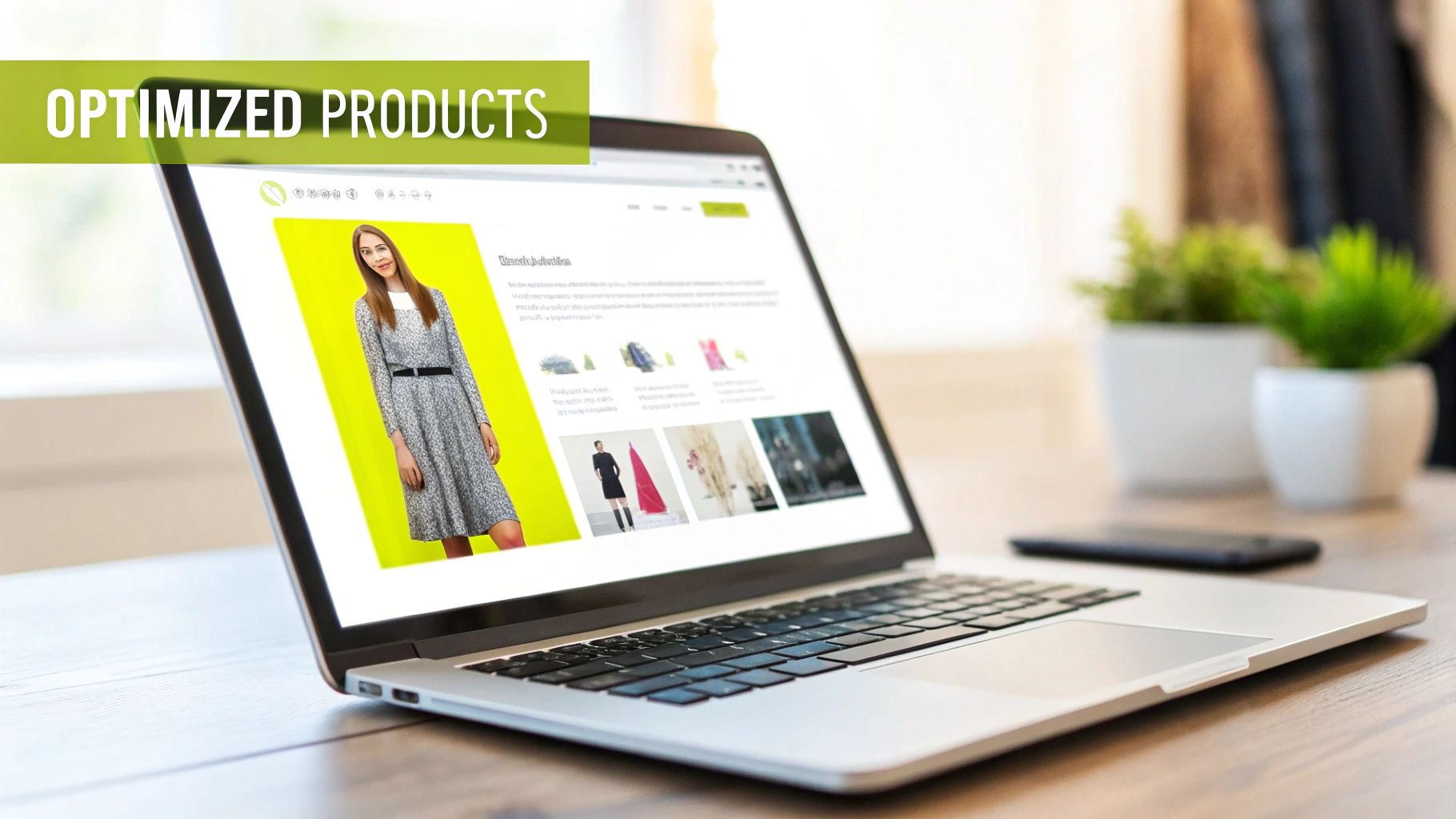
High-quality product photography is a must. But how you present those images is just as crucial. Use a variety of angles and lifestyle shots to show the product in context. Instead of a plain studio shot of a backpack, picture it on a model navigating a bustling city street.
Videos can also boost conversions. A short product demonstration or explainer video can significantly reduce purchase hesitation. Research indicates product videos can increase conversions by up to 80%.
Real-World Optimizations: Learning From Success Stories
Optimizing your product pages is an ongoing process. Take inspiration from real-world examples. One Shopify store selling handmade jewelry saw a 25% conversion lift after making key changes. They swapped generic product photos for lifestyle shots, rewrote descriptions to emphasize emotional value, and added customer testimonials. The combination of compelling visuals, engaging copy, and social proof proved powerful. You might be interested in: How to master…
Social Proof: Building Trust and Confidence
Strategically placed social proof can significantly influence buying decisions. Displaying customer reviews, testimonials, and trust badges near the "add to cart" button builds confidence and encourages purchases. Think of reviews as modern word-of-mouth marketing, boosting your credibility.
Testing and Optimization: Refining Your Approach
Continuously test different elements on your product page, such as headlines, images, and calls to action. A/B testing different variations helps identify what works best for your audience. Even small tweaks, like button color, can have a surprising impact on your bottom line. This is especially important for increasing sales on Shopify. Remember to maintain brand consistency throughout your testing.
Building Your Multi-Channel Sales Ecosystem
Sticking with just your Shopify store limits your potential. Savvy merchants know that today's customer shops everywhere. To really maximize reach and boost sales, you need a multi-channel sales ecosystem. This means strategically connecting your Shopify store to other platforms where your target audience hangs out.
Choosing The Right Channels For Your Business
The best sales channels will differ depending on your products and who you’re trying to reach. A fashion brand might do well on Instagram and Pinterest, while a B2B company might find more success on LinkedIn and industry-specific marketplaces. Diversifying your sales channels is one of the most effective strategies to increase sales on Shopify.
In 2024, 90% of Shopify merchants connected their online stores to two or more sales channels. These included social media, online marketplaces, and even offline points of sale. This diversified approach clearly pays off. In 2023, Shopify stores processed an average of 199 million orders per month. You can find more detailed Shopify statistics.
To help you better understand the performance of different channels, we've compiled the following table:
Shopify Sales Channel Performance Comparison
This table compares the effectiveness of different sales channels for Shopify merchants.
| Sales Channel | Average Conversion Rate | Customer Acquisition Cost | Profit Margin | Best For |
|---|---|---|---|---|
| Online Marketplace (e.g., Amazon) | Generally Lower | Varies widely based on competition and advertising | Can be lower due to marketplace fees | High-volume products, reaching a broad audience |
| Social Media (e.g., Instagram) | Potential for High Conversion with Engaging Content | Relatively Low with Organic Reach, Higher with Paid Ads | Generally Higher with Direct Sales | Visually appealing products, strong brand identity |
| Email Marketing | Highly Targeted, Can Achieve High Conversion | Relatively Low | Generally High | Building customer loyalty, personalized promotions |
| Direct Website Sales (Shopify) | Varies based on website optimization and traffic | Dependent on Marketing Strategies | Highest Profit Margins | Brand building, full control over customer experience |
This table highlights the potential benefits and challenges of each sales channel. While marketplaces offer broad reach, they often come with lower profit margins. Social media can be highly effective for visual brands, while email marketing excels at personalized communication.
Creating A Seamless Customer Experience
Expanding to multiple channels is important, but maintaining a consistent brand experience is equally crucial. This means ensuring your customers have a smooth and recognizable journey, no matter where they interact with your brand. Use consistent branding elements, messaging, and customer service across all channels.
Also, tailor your approach to each channel's unique features. Instagram is great for visually engaging content. Email marketing allows for personalized promotions and updates. You can explore ways to improve website conversion rate to further enhance customer experience.
Leveraging Platform-Specific Selling Features
Each channel offers unique selling features to boost sales. Facebook and Instagram offer shoppable posts, letting customers buy directly within the app. Marketplaces like Amazon and eBay offer large customer bases and built-in search, increasing product visibility. Email marketing allows for personalized recommendations and targeted promotions.
Building A Scalable System
As your multi-channel ecosystem grows, a scalable system is essential. Streamline processes, automate tasks, and use tools that integrate with your Shopify store. This might include inventory management software, CRM systems, and marketing automation platforms. This approach saves time and resources, ensuring consistent performance across channels as your business expands. Prioritize channels with the highest potential ROI and avoid spreading resources too thin.
Designing Promotions That Drive Profit, Not Just Traffic
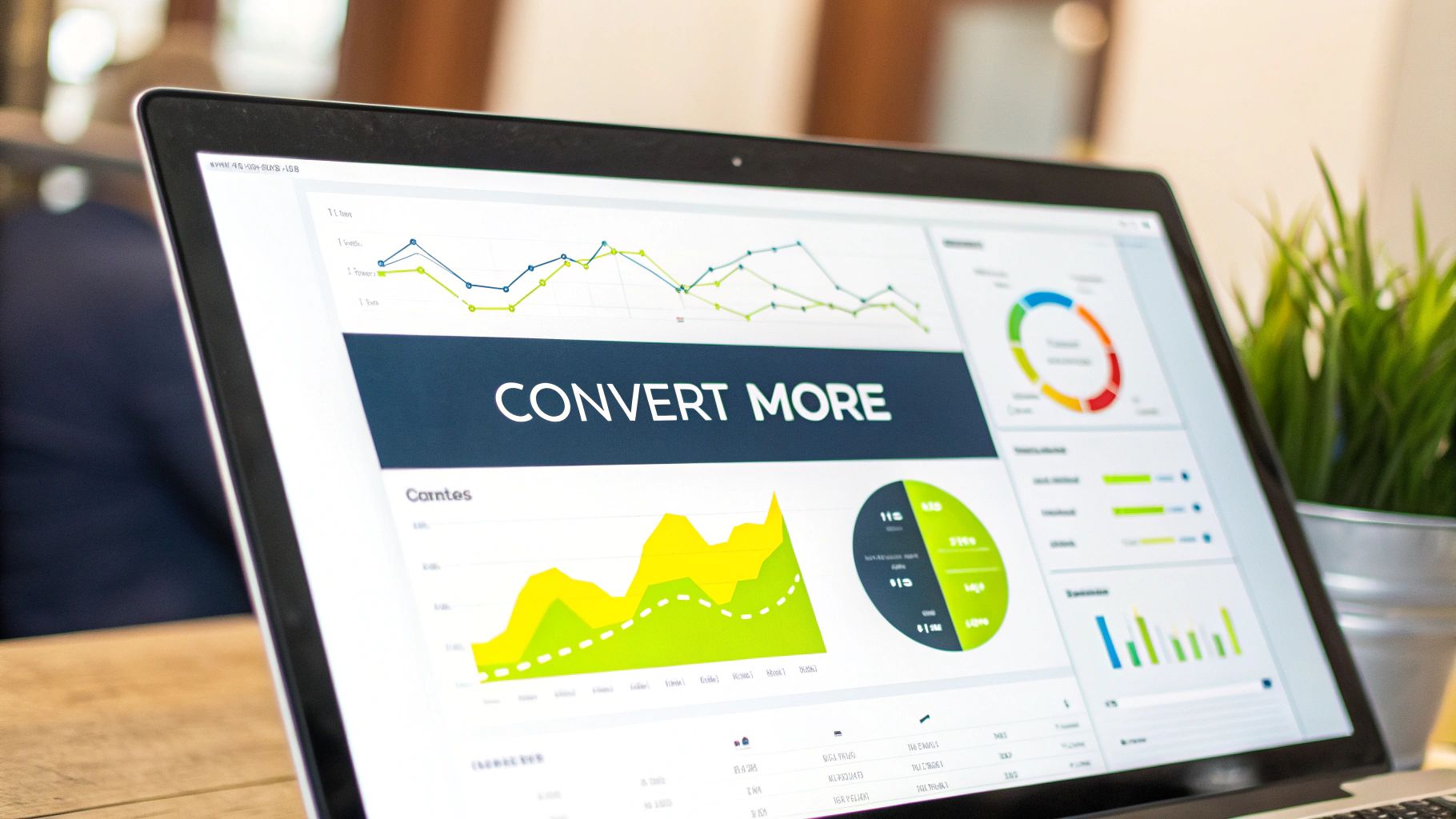
Not all discounts are created equal. A poorly planned promotion can erode profit margins and diminish brand value. This section explores creating promotions on Shopify that not only drive traffic but also boost profits. This means understanding the psychology of effective discounts and strategically segmenting your audience to increase sales without simply slashing prices.
The Psychology of Irresistible Promotions
Certain promotional structures resonate more with consumers. Scarcity, for example, creates urgency. Time-limited offers or limited-quantity deals encourage immediate purchases. Bundling can also be highly effective. Offering complementary products at a discounted price increases perceived value and encourages larger orders. Framing discounts as a percentage off (e.g., 20% off) is often more appealing than a fixed dollar amount, especially for higher-priced items.
Segmentation: Reaching the Right Customers
Effective promotions target the right customers at the right time. Welcome discounts for new subscribers can incentivize a first purchase. Reward loyal customers with exclusive discounts to foster repeat business.
You can also segment based on purchase history or browsing behavior. Personalized discounts based on individual customer preferences increase the chance of a conversion.
Building a Promotion Ladder
Think of promotions as a ladder, guiding customers toward long-term loyalty. An initial discount acquires new customers. A slightly smaller discount encourages a second purchase. Gradually reduce the discount with each purchase, encouraging buying at full price eventually. This converts discount shoppers into loyal, full-price customers, maximizing long-term profits. You might be interested in: Our Sitemap.
Testing and Analysis: Data-Driven Decisions
Before launching a full-scale promotion, test its effectiveness. A/B test different discount structures, messaging, and targeting options. Analyze results to determine the highest ROI. This data-driven approach maximizes profit, not just traffic.
Shopify sales often peak during major shopping events. During Black Friday and Cyber Monday 2024, Shopify stores saw $11.5 billion in sales, a 24% increase year-over-year. Over 76 million consumers shopped on Shopify during this period, up from 23 million in 2019. This highlights the importance of strategically timed promotions. Find more detailed statistics here.
Avoiding Discount Pitfalls
While discounts can be powerful, overuse can damage your brand. Avoid constant discounts, which can train customers to only buy during sales. It also devalues products and diminishes brand worth. Focus on strategic, well-timed promotions that drive both profit and customer loyalty. This protects your brand’s long-term value.
Eliminating Friction From Your Customer Journey
Every unnecessary step a customer takes during checkout, or any delay in how fast your pages load, can have a negative impact on your Shopify sales. This section explores how successful Shopify merchants create smooth and enjoyable shopping experiences. These improvements lead to better conversion rates and ultimately, increased sales.
Identifying Roadblocks in the Customer Journey
Understanding the customer journey is crucial. By using techniques like heat mapping (a visual representation of where users click and scroll) and user behavior analysis, you can pinpoint common roadblocks. Heat maps visually represent user activity on your site.
These roadblocks might include slow loading times or confusing navigation, frustrating shoppers and leading to abandoned carts. For example, imagine someone on their phone trying to buy a product, but the page takes too long to load. They'll likely give up and shop elsewhere.
Streamlining Mobile Shopping for Maximum Impact
Most online shopping now happens on mobile devices. This makes optimizing the mobile experience paramount. Even small changes can bring significant results.
This might involve simplifying the mobile checkout process, ensuring buttons are easy to tap, or optimizing images for faster loading. Making these small tweaks can go a long way.
Implementing Intuitive Navigation and Search
Successful Shopify stores prioritize intuitive navigation. Think of your website like a physical store. Clear signage and a logical layout help customers find what they need. This translates online to well-defined category structures and an effective search function.
A robust search function, like one powered by Algolia, helps customers find specific products quickly. A clear category structure allows for efficient browsing. Both features contribute to a positive user experience.
Creating an Effortless Checkout Flow
A smooth checkout is crucial for increasing sales on your Shopify store. This means minimizing the steps required to complete a purchase. You can also offer guest checkout options and clearly display shipping costs and delivery times.
Transparency builds trust. When shoppers feel confident in the process, they are more likely to complete the purchase.
Optimizing Load Times Without Compromising Design
Site speed directly affects conversions. Studies show that a one-second delay in page load time can lead to a 7% reduction in conversions. Let's look at the impact in more detail:
To illustrate this, let’s examine the following table which shows how page load times affect conversion rates on e-commerce stores.
Site Speed Impact on Conversion Rates:
| Page Load Time | Conversion Rate | Bounce Rate | Revenue Impact |
|---|---|---|---|
| 1 second | High | Low | Positive |
| 2-3 seconds | Moderate | Moderate | Neutral |
| 4+ seconds | Low | High | Negative |
This table clearly shows the connection between site speed and your bottom line. While high-quality visuals are important, they shouldn't come at the expense of speed. Optimize images and consider using a Content Delivery Network (CDN) to improve loading times without sacrificing design. CDNs help deliver content faster.
Usability Testing for Continuous Improvement
Finally, test your store's usability with real shoppers. This can involve using user testing platforms, gathering feedback directly from customers, or even observing friends and family as they navigate your site. This provides valuable insights into potential issues you may have missed.
Continuous testing and optimization are essential to creating a truly frictionless customer journey. By constantly refining the experience, you'll maximize your Shopify sales.
Crafting Email Campaigns That Bring Shoppers Back
Your email list is a potential goldmine for increasing sales. It can be even more valuable than constantly chasing new traffic. This section reveals how successful Shopify merchants use email marketing to bring shoppers back and boost their revenue.
Uncovering the Power of Email Marketing for Repeat Purchases
Email allows you to communicate personally with many customers at once. By analyzing successful campaigns and interviewing merchants, we’ve learned what makes some emails perform better than others. We’ll share these insights so you can create email campaigns that resonate with your audience and drive conversions.
Segmenting Your Audience for Targeted Messaging
Segmentation is crucial for effective email marketing. This involves dividing your subscribers into groups based on shared characteristics, such as their behavior, preferences, or purchase history. For example, you could separate customers who abandoned their carts from first-time buyers. This allows you to create more targeted and relevant messages.
Automating Email Sequences for Maximum Impact
Automated email sequences can nurture leads, recover abandoned carts, and re-engage inactive customers. These sequences act like automated sales assistants, working around the clock. A welcome series can introduce your brand and highlight top products. Abandoned cart emails can gently remind shoppers about the items they left behind and offer incentives to complete their purchase.
Personalization Beyond the First Name
True personalization goes beyond simply using a customer's first name. Leverage your data to recommend products based on their browsing history or past purchases. This demonstrates that you understand their individual needs and can dramatically increase your conversion rates.
Testing and Optimizing for Higher Engagement
Subject lines are the first impression your email makes. A/B testing different subject lines helps you identify what captures your audience’s attention. Experiment with different email content, calls to action, and sending times to optimize open and click-through rates. Continuously testing and refining your approach is crucial for success. Read also: How to Master Your Site Structure
Maintaining List Health and Deliverability
A healthy email list is essential for successful email marketing. Regularly clean your list by removing inactive or bounced email addresses. This improves your sender reputation and helps ensure your messages reach the inbox. This also helps you avoid being marked as spam and maintain high deliverability rates.
Examples of High-Performing Email Campaigns
-
Abandoned Cart Emails: These remind shoppers about items left in their cart, often offering a discount or free shipping.
-
Post-Purchase Emails: Thank customers for their order and suggest related products or offer discounts on future purchases.
-
Welcome Series: Introduce new subscribers to your brand and highlight your best-selling products.
By implementing these strategies, you can transform your email list into a powerful tool for repeat business and increased sales on Shopify. Focus on providing value and building relationships with your subscribers. This approach builds loyalty and creates a community of engaged customers.
Maximizing Value From Every Customer Interaction
Increasing your average order value (AOV) often has a greater impact on revenue than acquiring new customers. This section explores how successful Shopify merchants use upselling and cross-selling strategies to enhance the customer experience, not detract from it.
Understanding the Power of Upselling and Cross-Selling
Upselling encourages customers to choose a premium product version. Imagine a customer browsing a basic coffee maker. You might suggest a model with a built-in grinder and timer. Cross-selling suggests related products. If that same customer adds the upgraded coffee maker to their cart, you could recommend coffee beans, filters, or a stylish mug. When done right, these strategies can significantly increase sales on Shopify.
Strategic Placement and Timing of Product Recommendations
Where and when you present recommendations matters. Suggesting an upgraded laptop case after a customer adds a laptop to their cart is much more effective than showing it on the homepage. Offering a discount on a complementary item at checkout can also boost AOV without seeming pushy. Analyze your sales data to understand which product combinations and placements work best for your store.
Identifying Logical Product Pairings
Effective upselling and cross-selling offers genuine value. Recommended products should enhance the customer’s initial purchase. A clothing store might suggest matching gloves and a scarf with a winter coat. This feels helpful, completing the outfit. Avoid recommending random items, which can create a negative impression.
Creating Irresistible Bundle Offers
Bundles are a great way to increase AOV. Combine related products at a discounted price compared to individual purchases. This creates a sense of value and encourages larger orders. A skincare brand could bundle cleanser, toner, and moisturizer at a lower price, enticing customers to try the complete regimen.
Implementing Post-Purchase Recommendations
The customer journey continues after the sale. Post-purchase emails are a great way to drive repeat business. Thank the customer for their order and suggest related products or offer future purchase discounts. This keeps your brand in mind and encourages further engagement. Personalize recommendations based on past purchases for better results.
Automating Personalized Suggestions
Shopify offers tools and apps that automate personalized recommendations. These analyze customer behavior and purchase history to suggest relevant items, saving you time and creating a tailored shopping experience that boosts conversion rates.
Measuring and Optimizing Your Approach
Regularly analyze your upselling and cross-selling performance. Track metrics like AOV, conversion rates, and individual product recommendation performance. Use this data to refine your strategy. A/B test different combinations, placements, and messaging to find what works for your audience.
Need help maximizing your Shopify store? E-commerce Dev Group offers expert Shopify design, development, and support to boost sales and achieve your business goals. Visit https://scaleshopify.com to transform your online store into a high-converting sales machine.
